




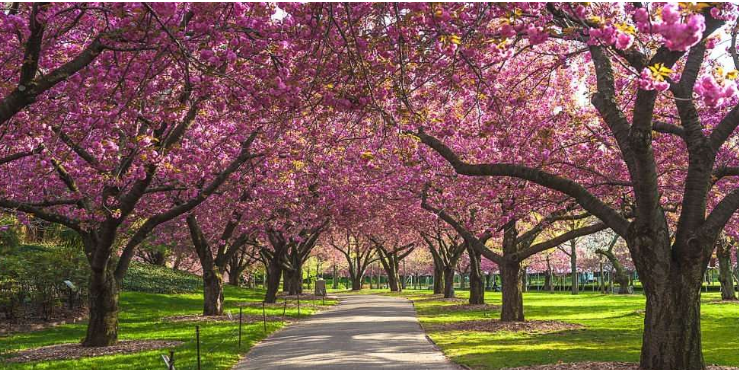
Spring has brought a vibrant transformation to Gilgit-Baltistan, as blooming apricot and cherry trees are reviving tourism and daily life across the region.
In Ghanche, orchards have burst into bloom, covering valleys in shades of white and soft pink against the backdrop of snow-covered mountains. The seasonal change marks the end of winter isolation, as streams begin flowing and agricultural activities resume.
For local communities, the arrival of spring is a symbol of renewal and economic opportunity. Farming activities restart, social life becomes more active, and the region begins to welcome visitors once again.
Meanwhile, Hunza Valley has entered its famous cherry blossom season, which typically runs from mid-March to mid-April. During this time, villages and hillsides are covered with colorful blooms, attracting tourists from across Pakistan and around the world.
Popular landmarks such as Baltit Fort and Altit Fort are surrounded by blossoming trees, creating stunning scenic views for visitors.
Temperatures ranging between 10°C and 20°C make the region ideal for travel, while the staggered blooming pattern across different altitudes extends the tourism season.
Visitors describe the experience as a peaceful escape from daily stress, with many highlighting the natural beauty and cultural charm of the region. Despite rising costs and global uncertainties, tourism continues to grow as people seek relaxation and connection with nature.
The spring blossom season not only enhances the beauty of Gilgit-Baltistan but also plays a vital role in supporting local livelihoods, making it one of the most important times of the year for the region.