




The long-stalled Iran–Pakistan gas and oil pipeline projects may see renewed progress following recent US–Iran peace talks, raising hopes for improved energy cooperation between the two neighboring countries. Officials and experts suggest that easing tensions between Washington and Tehran could potentially lead to the lifting of sanctions, creating an opportunity to revive these crucial energy projects.
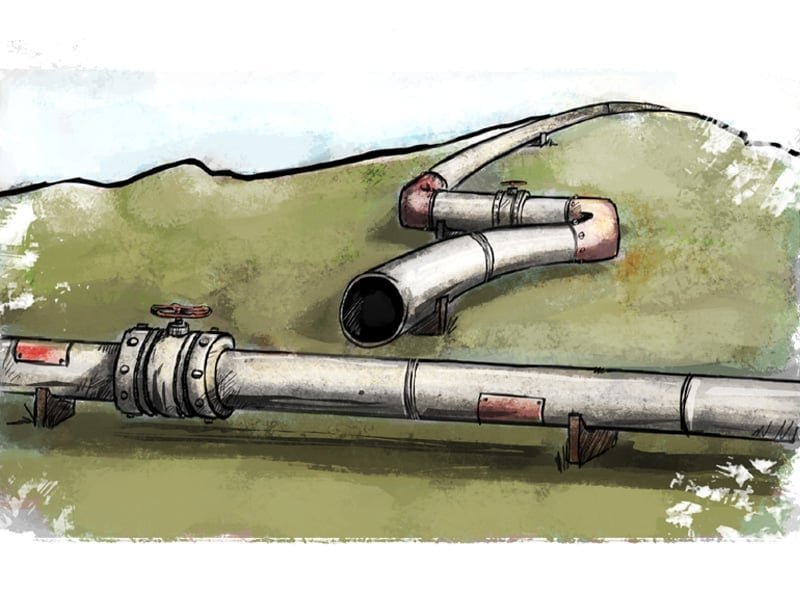
Originally signed in 2009 and inaugurated in 2013, the Iran–Pakistan gas pipeline was designed to address Pakistan’s growing energy needs. However, the project remained stalled for years due to US sanctions on Iran and diplomatic pressure on Islamabad. Alongside the gas pipeline, plans for an oil pipeline and a major refinery project in Gwadar were also put on hold.
With recent diplomatic developments, including peace negotiations between the United States and Iran in Islamabad, there is growing optimism that restrictions may be relaxed. If sanctions are lifted, Pakistan could resume work on its portion of the pipeline, while Iran has already completed its side of the project.
The revival of the pipeline is being seen as strategically important for Pakistan’s energy security. The project would provide an alternative energy route that bypasses the Strait of Hormuz, a critical global chokepoint vulnerable to conflict disruptions. This is particularly significant given Pakistan’s heavy reliance on energy imports, with approximately 85% of its oil needs met through imports and additional dependence on LNG supplies from Qatar.
Recent conflicts in the Middle East have exposed vulnerabilities in global energy supply chains, including disruptions to LNG shipments and damage to oil facilities in the region. These developments have further highlighted the importance of diversifying energy sources and ensuring stable supply routes.
While Pakistan has explored alternative solutions such as LNG pipelines and domestic energy initiatives, challenges such as sanctions and fluctuating demand have limited progress. Iran has also shown willingness to extend the gas sale agreement, signaling continued interest in reviving the project.
Overall, the improved prospects for the Iran–Pakistan pipeline represent a potential turning point in addressing Pakistan’s energy challenges. The success of ongoing US–Iran negotiations could play a decisive role in determining the future of these long-delayed but strategically vital projects.