




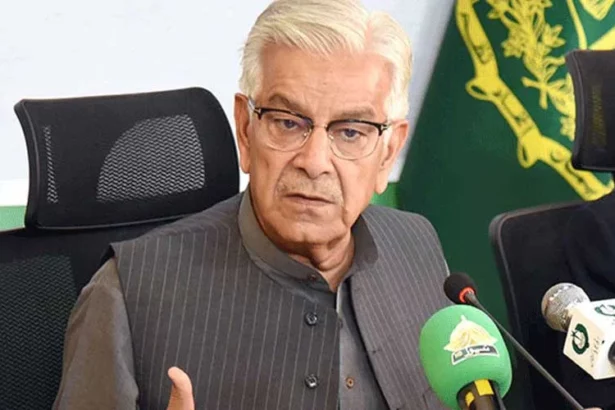
Pakistan’s Defence Minister Khawaja Muhammad Asif has claimed that the ongoing conflict involving Iran is part of a broader geopolitical strategy aimed at expanding **Israel**i influence closer to Pakistan’s borders.
In a strongly worded statement shared on the social media platform X, the minister alleged that the war was imposed on Iran despite what he described as Tehran’s willingness to reach a negotiated settlement. He maintained that the conflict reflects a larger design intended to reshape regional dynamics.
Khawaja Asif argued that instability across parts of the Islamic world could be traced to what he termed “Zionist ideology.” According to him, since the establishment of Israel on Palestinian land, major crises and wars affecting Muslim countries have, directly or indirectly, reflected Israeli state interests.
Describing Zionism as a threat beyond the region, the defence minister claimed it poses challenges at a global level. He further alleged that international economic systems have remained under its influence for over a century and suggested that major world powers continue to operate within that framework.
Turning to Pakistan’s national security posture, Asif stressed that the country remains a nuclear power with a capable and respected military. He said Pakistan’s armed forces enjoy global recognition and that their strength, combined with national unity, serves as a safeguard for sovereignty and territorial integrity.
The minister paid tribute to the country’s martyrs and veterans, saying their sacrifices have ensured Pakistan’s independence and security. He also acknowledged those who contributed to Pakistan’s nuclear capability and offered prayers for them.
In his remarks, he specifically praised former prime minister Nawaz Sharif for what he described as courageous leadership during the country’s nuclear tests, which he said strengthened Pakistan’s strategic standing in the region.
Reiterating his earlier claims, Asif maintained that despite Iran’s reported readiness for an agreement, conflict was forced upon it under what he characterized as a broader geopolitical plan that includes pushing Israeli influence toward Pakistan’s western and eastern frontiers.