



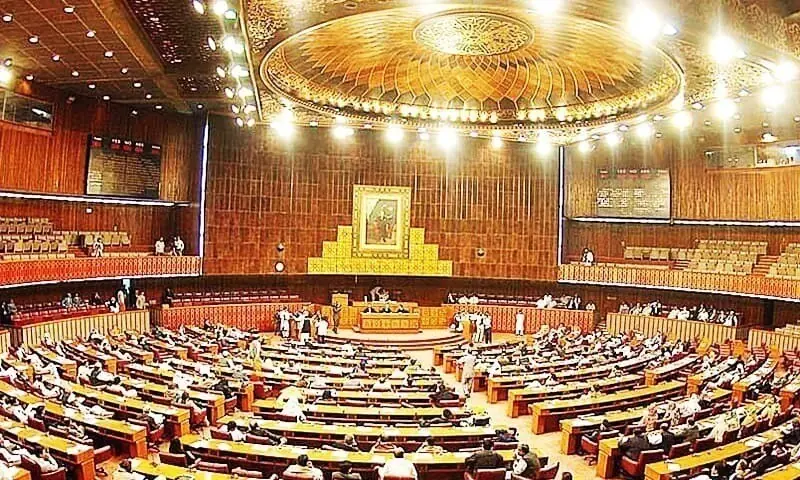
Several lawmakers from both government and opposition benches have expressed dissatisfaction over Prime Minister Shehbaz Sharif’s directive asking parliamentarians to forgo two months’ salaries.
The directive was reportedly introduced as part of efforts to help the country cope with economic pressure linked to global developments, including the ongoing US–Israel conflict involving Iran and rising international oil prices.
However, the move has sparked debate within parliamentary circles, with some legislators describing the decision as unnecessary interference in constitutional matters.
According to a senior lawmaker who spoke on the condition of anonymity, the directive has not been well received by several members of parliament.
The legislator stated that even some members of the Pakistan Muslim League-Nawaz (PML-N), the ruling party, are reportedly unhappy with the decision.
He explained that parliamentarians generally do not oppose contributing their salaries for national causes, but many lawmakers believe that such contributions should remain voluntary rather than mandatory.
“Parliamentarians never oppose deductions from their salaries for any national cause, but this time they have termed the prime minister’s order as a dictation which they cannot tolerate,” the lawmaker stated.
Reports suggest that lawmakers have been provided with forms allowing them to opt for salary donations as part of the initiative.
While salary cuts have previously been accepted by parliamentarians during national emergencies, the current situation has raised concerns about executive influence over parliamentary decisions.
Some lawmakers argue that directives affecting members’ financial decisions should be discussed within parliamentary forums before implementation.
The directive comes at a time when Pakistan is facing increasing economic challenges due to global conflicts and rising energy prices.
Supporters of the initiative say it demonstrates solidarity with the public during difficult economic conditions.
However, critics believe the approach could set a precedent that affects the independence and decision-making authority of parliamentarians.
The debate highlights ongoing discussions about the balance of power between the executive and legislative branches and the importance of maintaining transparency in policy decisions.
Political observers believe the issue may continue to generate debate within the parliament in the coming days.