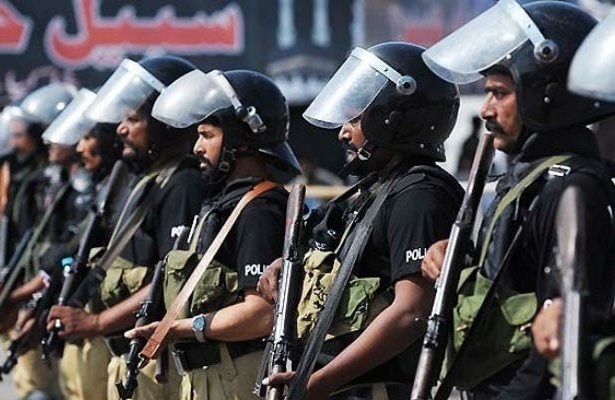





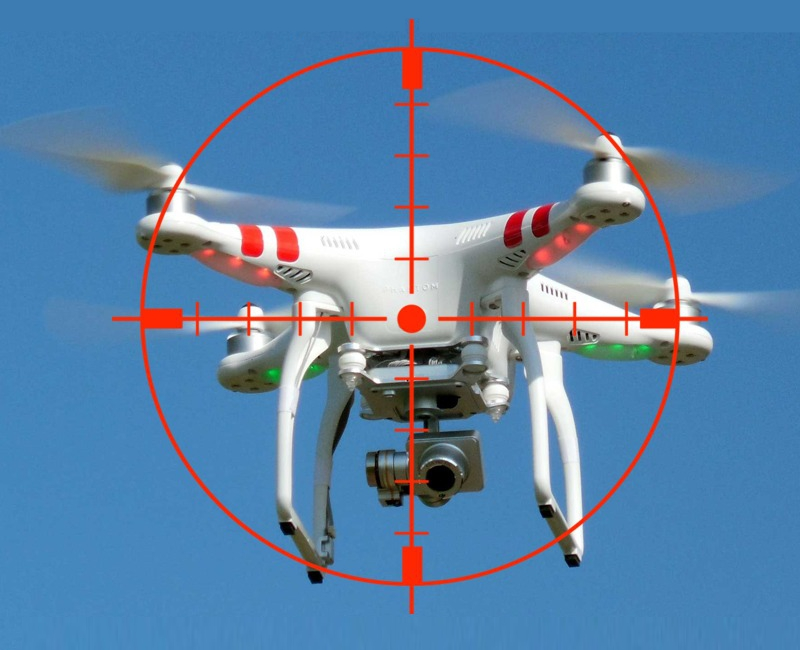
Pakistan is taking significant steps toward strengthening its national security framework by considering the deployment of anti-drone systems at sensitive locations across the country. This move comes in response to growing concerns over the misuse of unmanned aerial vehicles (UAVs), which pose potential threats to critical infrastructure and high-profile installations.
The proposal was discussed during a meeting of the Regional Coordination Committee held in Rawalpindi, chaired by Regional Police Officer Khalid Hamdani. The meeting brought together senior police officials and representatives from various departments to review the current security landscape and identify areas requiring immediate attention.
Authorities emphasized the need to address emerging security threats, particularly those linked to drone activity. As part of the proposed measures, anti-drone systems are being considered for installation at key locations, including sites associated with Chinese development projects. These locations include workplaces, residential areas of foreign experts, and other sensitive installations requiring heightened protection.
Some sites have already been equipped with anti-drone technology, and officials have recommended expanding the coverage to ensure comprehensive security. The move is part of broader efforts to modernize Pakistan’s security infrastructure and adopt advanced technologies to counter evolving threats.
In addition to technological upgrades, the Special Branch has been assigned the responsibility of conducting detailed security audits of housing societies and verifying the credentials of employees and private security personnel. Authorities have also been directed to maintain updated records of Chinese nationals working in the region and enhance intelligence-based monitoring systems.
The initiative reflects Pakistan’s commitment to ensuring the safety of foreign nationals and safeguarding strategic projects that are vital to economic development. With the increasing use of drones in various activities, including surveillance and potential attacks, the adoption of anti-drone systems has become an essential component of modern security strategies.
Experts believe that integrating advanced surveillance and defense technologies will significantly improve the country’s ability to detect and neutralize threats before they escalate. The proposed measures highlight a proactive approach by authorities to adapt to changing security challenges and protect critical assets.
Overall, the consideration of anti-drone systems marks an important step toward strengthening Pakistan’s defense mechanisms and ensuring a safer environment for both citizens and international partners involved in development projects.