



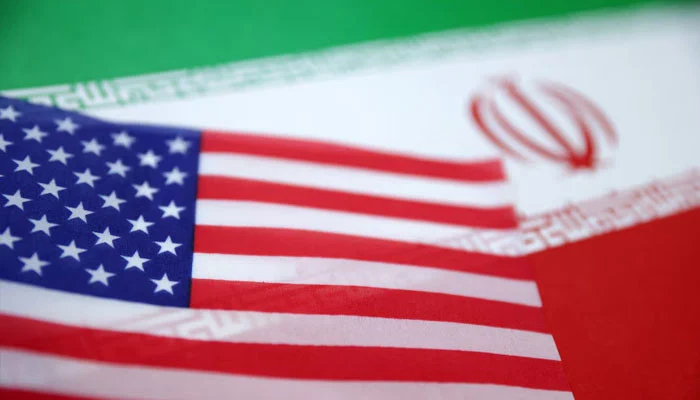
Pakistan has taken a leading role in regional diplomatic efforts to broker a potential 45-day ceasefire between Iran and the United States, as tensions between the two nations approach a critical point.
According to multiple international reports, the proposed ceasefire is being considered as a first step toward achieving a long-term peace agreement. The initiative involves key mediators, including Pakistan, Egypt, and Turkey, working through diplomatic channels to prevent further escalation in the region.
The conflict, now in its fifth week, began after joint strikes by the United States and Israel targeting Iranian military and nuclear-related facilities. In response, Iran has taken significant retaliatory measures, including restrictions in the strategically important Strait of Hormuz and attacks on US-linked targets in the Gulf region.
Donald Trump had previously issued a deadline for Iran to agree to terms, warning of possible large-scale strikes if negotiations failed. While the timeline has been slightly extended, officials have indicated that the chances of reaching an agreement in the immediate term remain slim.
The proposed ceasefire framework includes two phases. The first phase focuses on implementing a 45-day truce to allow further negotiations. During this period, mediators aim to build trust through interim measures such as easing restrictions in the Strait of Hormuz and addressing concerns related to Iran’s enriched uranium.
The second phase would involve a comprehensive agreement to permanently end hostilities. However, Iranian officials have expressed skepticism, citing previous ceasefire agreements that failed to hold.
Pakistan’s involvement highlights its growing diplomatic role in regional conflict resolution. Officials warn that failure to reach a ceasefire could lead to a wider regional conflict, potentially targeting critical energy and water infrastructure across Gulf countries.
As diplomatic efforts continue, the situation remains fragile, with global attention focused on whether mediation can prevent a major escalation in the Middle East.