



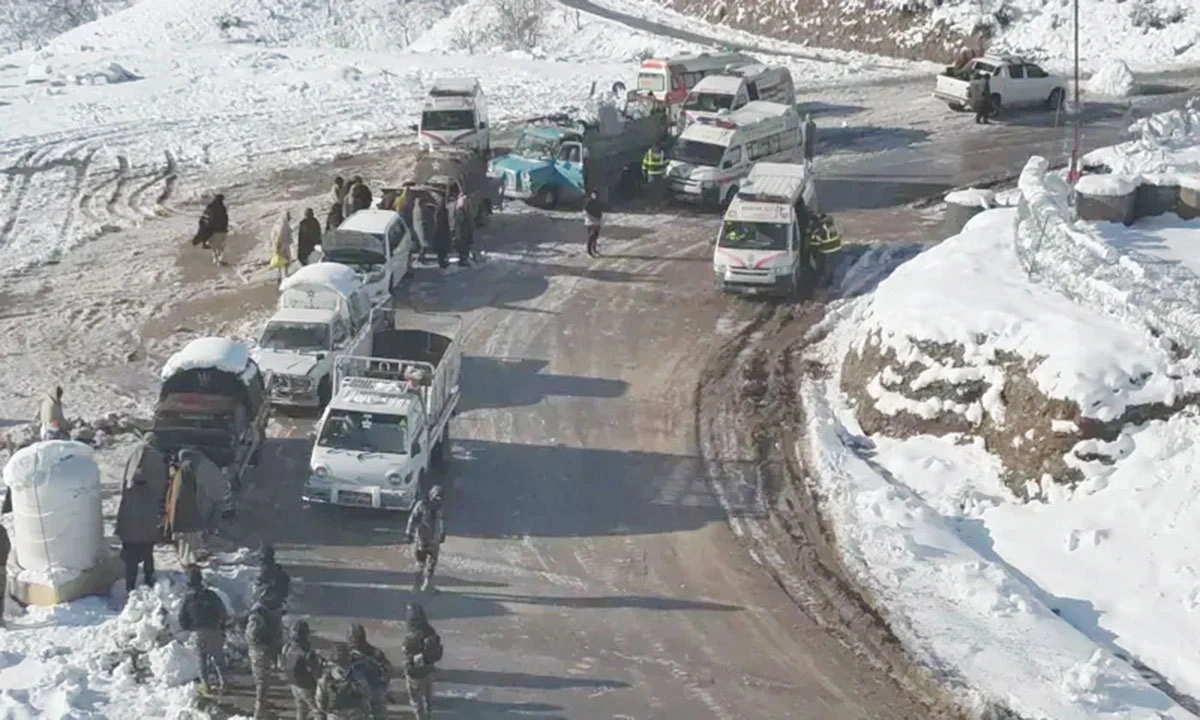
High in the mountains of Tirah Valley, in District Khyber of Khyber Pakhtunkhwa, snow blankets the landscape like an unyielding shroud. For centuries, communities here adapted to brutal winters by migrating seasonally to Peshawar, Kohat, and Hangu when roads became impassable.
Today, however, the challenge facing residents is not nature alone — it is governance failure.
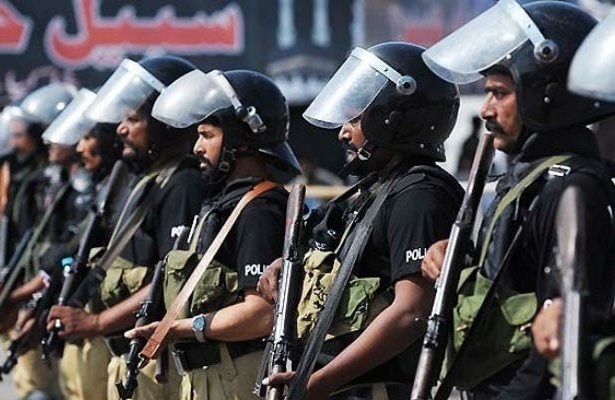
For over a decade, the same political leadership has governed KP, repeatedly promising security, development and administrative reform. Yet when militants attacked security forces in Tirah’s rugged terrain, the bodies of fallen soldiers reportedly had to be transported on mules — a stark symbol of limited state infrastructure and presence.
Local jirgas have repeatedly convened to negotiate security concerns, highlighting gaps in enforcement capacity. While official notifications and press statements emphasize preparedness, ground realities paint a different picture.
The Rs 4 Billion Question
A provincial notification dated 26 December 2025 claimed that Rs 4 billion had been allocated for relief and displacement management. On paper, the figure suggests seriousness. In practice, severe snowstorms left families exposed to extreme hardship.
Temporary camps lacked adequate shelter, transportation routes remained blocked, and medical access was limited. Residents endured freezing temperatures while awaiting assistance that appeared slow to materialize.
The central question persists: How effectively were these funds utilized?
Optics vs Outcomes
Critics argue that political optics have overshadowed practical governance. While administrative tours and public messaging projected control, communities in the highlands reportedly struggled with displacement and insecurity.
When relief measures fell short, blame frequently shifted — to federal constraints, security agencies, or natural disasters. Accountability remained diffuse, while governance gaps persisted.
Security Vacuum and Political Rhetoric
Militant threats continue to exploit administrative weaknesses. Calls by political figures to disrupt infrastructure, including references to facilities such as Tarbela Dam, have further intensified political tensions.
Such rhetoric, critics warn, risks deepening instability in a province already facing natural and security pressures.
A Broader Governance Challenge
The situation in Tirah Valley mirrors broader structural issues across KP’s merged tribal districts — underdeveloped infrastructure, inconsistent oversight, and limited emergency planning capacity.
Historically, these regions were federally administered. Today they fall under provincial control, with funds transferred in the name of district governance. Yet questions remain about administrative readiness to manage complex security, humanitarian, and climatic challenges simultaneously.
A Test of State Capacity
Tirah Valley is both breathtaking and burdened — a place where resilience meets neglect. Snow, militancy, and displacement converge to test governance beyond press statements and notifications.
Until state capacity matches the complexity of these challenges, Tirah will remain a symbol of missed opportunity — where policy narratives clash with lived reality.
Its people deserve governance that prioritizes preparedness over publicity, accountability over rhetoric, and outcomes over optics.