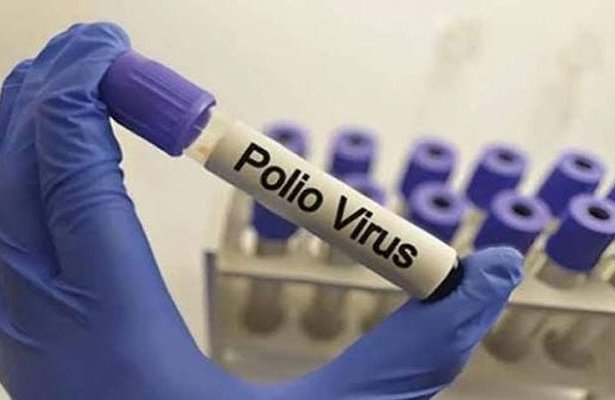




All 23 environmental samples collected across Balochistan have tested negative for poliovirus, according to the reported results, marking progress in the province’s efforts to prevent the spread of polio. The findings have prompted Chief Minister Sarfraz Bugti and the provincial health minister to express satisfaction with the measures being taken by health authorities.
Chief Minister Sarfraz Bugti praised frontline polio workers for their continued efforts to reach children and administer vaccines. He reiterated the provincial government’s commitment to eliminating polio from Balochistan and emphasised the importance of sustained vaccination and surveillance efforts.
The provincial health minister said the negative environmental samples reflected three years of continuous work by health authorities and frontline teams. Officials have stressed that the results are encouraging but do not remove the need for regular immunisation, environmental monitoring and consistent vaccination coverage.
Environmental surveillance is an important part of polio prevention. Health authorities collect wastewater samples from designated locations to check for poliovirus circulation in communities. Because the virus can spread without immediately causing visible symptoms, sewage testing helps officials identify potential transmission and guide public health responses.
Pakistan continues to use environmental monitoring alongside routine immunisation and door-to-door vaccination campaigns. Health officials have urged parents and caregivers to ensure that children receive the recommended polio vaccine doses, including during every scheduled campaign, to strengthen protection against the disease.
Despite the negative results from Balochistan, the wider national situation requires continued attention. According to the reported figures, poliovirus was detected in 40 sewage samples collected across Pakistan. The figures underline the importance of coordination between provincial and federal health authorities, continued surveillance and community participation in vaccination efforts.
Officials have called on families, communities and health workers to maintain their cooperation in polio eradication activities. Sustained vaccination coverage and early detection through environmental monitoring remain important to reducing transmission and working towards a polio-free Pakistan.
Balochistan’s 23 Environmental Samples Test Negative for Poliovirus