




Egyptian President Abdel Fattah al-Sisi has said Egypt is prepared to help defend Saudi Arabia against attacks by Yemen’s Houthi forces if Riyadh requests assistance. Speaking at a graduation ceremony at the Egyptian Military Academy on Saturday, Sisi said Cairo would take necessary measures to protect the kingdom’s security and stability, while stressing that any Egyptian involvement would be defensive rather than an offensive military operation.
Sisi said a potential deployment would require parliamentary approval and expressed hope that lawmakers would convene an emergency session to authorise support if requested. Egyptian state media subsequently reported that parliament would meet on Sunday to consider possible assistance for Saudi Arabia’s defences. Egypt joined the Saudi-led military coalition in Yemen in 2015, although its role has largely focused on protecting Red Sea shipping routes rather than frontline combat.
The renewed fighting has raised concerns about regional security and economic stability, particularly Egypt’s Suez Canal revenues. Egyptian Foreign Minister Badr Abdelatty said the canal had lost approximately $11 billion in revenue since Houthi forces began attacking commercial vessels in 2023. During a visit to Egypt last month, Saudi Crown Prince Mohammed bin Salman and Sisi called for safe and uninterrupted navigation in the Red Sea. Egypt has also said it is studying a mutual defence agreement signed by Saudi Arabia, Turkiye and Pakistan in August.
Meanwhile, Iran has called for a political solution to the Saudi-Houthi conflict and reiterated its offer to mediate between the parties. Iranian Foreign Minister Abbas Araghchi said Tehran supported an inclusive and comprehensive political process as a sustainable way to resolve the conflict. He also expressed Iran’s willingness to cooperate with neighbouring countries on regional security. Saudi Arabia has accused Iran of encouraging the Houthis’ recent escalation, while Tehran denies the allegation.
Fighting continued on Saturday, with Saudi Arabia reporting that it intercepted four drones over Riyadh, the Eastern Province and the country’s southern region. Coalition spokesman Turki al-Malki said the drones had been intercepted and destroyed. Houthi-affiliated media, meanwhile, reported that Saudi air strikes in Yemen killed at least 12 people, including three children, and wounded others. The same media outlet alleged that Saudi forces used cluster bombs, although the Saudi-led coalition had not immediately commented on the claim. These casualty figures and allegations remain attributed to the reporting sources.
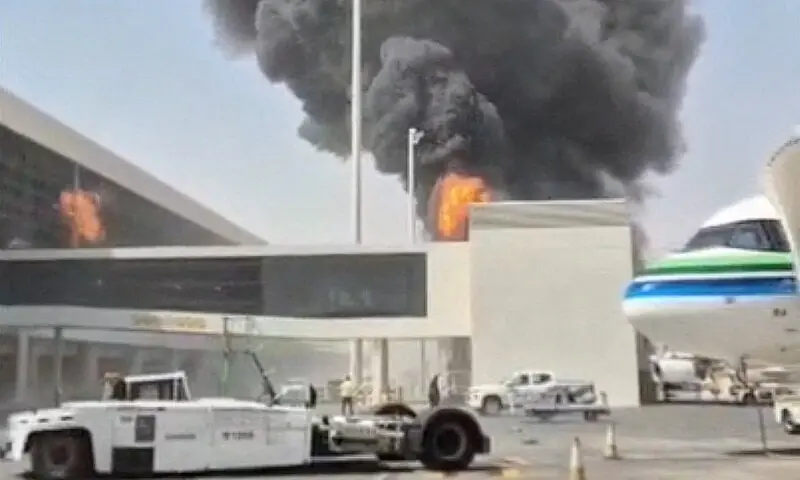
The conflict has intensified since July, with Houthi forces reportedly targeting Saudi energy facilities, vessels and Riyadh’s international airport. Houthi territorial gains around the Bab al-Mandab Strait have also increased concerns about shipping and energy exports through the Red Sea. Separately, the Houthis announced the release of 159 pro-government fighters under an amnesty. The International Committee of the Red Cross confirmed its involvement in facilitating interviews, health checks, family contacts and transportation for those released.
The latest developments underline the growing regional and economic implications of the Yemen conflict. Egypt’s possible defensive assistance to Saudi Arabia, Iran’s renewed mediation offer and continued drone and air attacks highlight the competing security approaches being pursued by regional powers. Any Egyptian deployment would depend on a formal request from Saudi Arabia and the required parliamentary authorisation.
Egypt Ready to Defend Saudi Arabia Against Houthi Attacks, Says President Sisi