




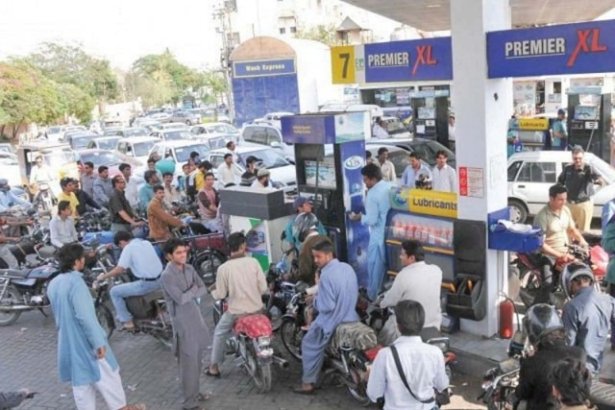
The federal government has announced a reduction in petrol and high-speed diesel (HSD) prices under Pakistan’s newly introduced daily fuel pricing mechanism, offering modest relief to consumers amid continued volatility in international oil markets.
According to a notification issued by the Ministry of Petroleum, the price of petrol has been reduced by Rs3.19 per litre, bringing the new retail price to Rs329.82 per litre. High-speed diesel has also become cheaper by Rs1.50 per litre, with the new price fixed at Rs382.36 per litre.
The latest revision comes just a day after the government had increased petrol prices by Rs4.45 per litre while reducing diesel by Rs2 per litre, highlighting the impact of Pakistan’s new daily fuel price adjustment system.
The government introduced the daily fuel pricing mechanism on July 17 to better align domestic petroleum prices with fluctuations in international oil markets. Under this system, fuel prices are calculated using the seven-day average of global petroleum prices, allowing more frequent adjustments in response to changing market conditions.
Pakistan remains heavily dependent on imported petroleum products, making local fuel prices highly sensitive to international crude oil prices, exchange rate movements, taxes, and government levies. According to the Pakistan Economic Survey 2024-25, petroleum imports account for a significant share of the country’s import bill, with higher global oil prices contributing to inflation and increased pressure on foreign exchange reserves.
Previously, the government relied on subsidies and periodic price reviews to manage fuel costs. While subsidies provided temporary relief to consumers, they also placed a substantial burden on the national budget, oil marketing companies, and refineries.
International oil markets continue to be influenced by geopolitical developments, production decisions by major oil-exporting countries, sanctions, and shipping disruptions in key maritime routes such as the Strait of Hormuz and the Red Sea.
Recent reports indicated that Brent crude and West Texas Intermediate (WTI) prices rose after concerns over potential disruptions in the Strait of Hormuz, a critical global oil shipping route. Market analysts believe any instability in the region could quickly impact international oil prices and, consequently, domestic fuel prices in countries like Pakistan.
Although the latest reduction provides temporary relief for motorists, transporters, and businesses, future fuel prices are expected to continue fluctuating under the daily pricing system, depending on international crude oil trends and market conditions.