
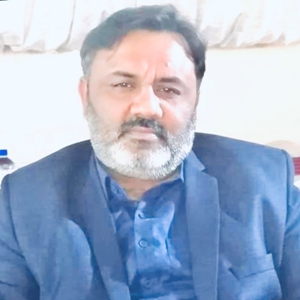



Concerns have been raised over the handling of Afghan repatriation at the Torkham border, as leaders of Jamiat Ulema-i-Islam-Fazl (JUI-F) in Khyber criticised the current system, calling it poorly managed and harmful to both humanitarian standards and bilateral relations.
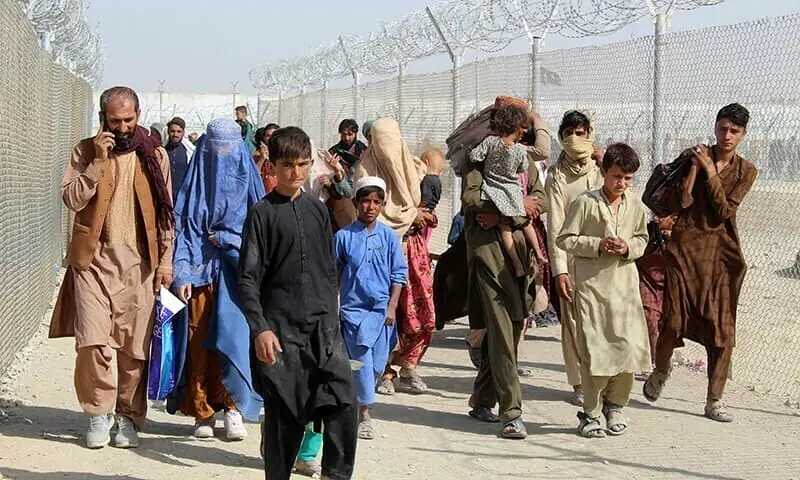
During a press conference held in Landi Kotal, local JUI-F leaders highlighted the difficulties faced by Afghan families returning to their country. They stated that many individuals are forced to wait for days along roadsides in harsh weather conditions due to delays in verification and registration procedures.
The leaders emphasised the need for a more organised and humane approach to ensure the dignified return of undocumented Afghan nationals. They argued that the existing process is causing unnecessary suffering and could damage the long-standing goodwill between Pakistan and Afghanistan.
In addition to logistical concerns, allegations were also raised regarding misconduct at the transit point. According to party representatives, some officials are reportedly exploiting vulnerable individuals by demanding money to speed up the registration process.
The issue has also extended beyond humanitarian concerns, affecting economic activity in the region. JUI-F leaders pointed out that prolonged border closures have significantly disrupted trade between Pakistan and Afghanistan, leaving thousands of traders, labourers, and daily wage workers without income.
They warned that continued economic hardship could push affected individuals towards unlawful activities, further destabilising the region. Families dependent on cross-border trade are reportedly facing severe financial stress.
The party also criticised the provincial government for what it described as a lack of response to the situation, stating that the ongoing challenges are not only economic but also a matter of basic human rights.
Highlighting the importance of separating security concerns from trade activities, the leaders argued that keeping the border closed is not an effective solution. Instead, they stressed that such measures weaken trust and cooperation between the two neighbouring countries.
The situation at Torkham underscores the need for improved policy implementation, better coordination, and a balanced approach that addresses both security and humanitarian considerations while protecting livelihoods on both sides of the border.