



The government is planning to establish a new company to oversee liquefied petroleum gas (LPG) pricing and regulate its distribution across Pakistan. Under the proposed arrangement, responsibility for setting monthly LPG prices would shift from the Oil and Gas Regulatory Authority (Ogra) to a new entity involving Pakistan State Oil (PSO), Sui gas companies and other oil firms.
The proposed company would determine the official LPG price each month, while sales would be restricted to authorised outlets and designated pumps operating under government regulations. The Petroleum Ministry has directed LPG distributors and retailers to sell the commodity at officially notified rates. Retailers charging consumers above the prescribed prices could face strict action as authorities seek to address overpricing and illegal sales.
New cylinder exchange system planned
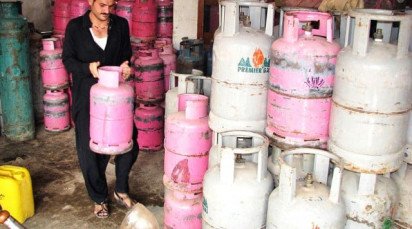
The government is also planning to introduce a cylinder exchange system to reduce the risk of explosions and other accidents caused by unsafe LPG handling. Under the proposed system, consumers would exchange empty cylinders for filled ones at authorised retail outlets instead of having their existing cylinders refilled at shops.
Authorities intend to permit LPG sales only in standard cylinders manufactured by Ogra-approved companies. The cylinders would be available in different capacities, including two, three and five kilogrammes. Officials are also expected to coordinate with manufacturers to ensure the availability of safe and affordable cylinders.
The use of defective and non-standard containers would be prohibited. Retailers found filling LPG into unapproved cylinders could face heavy fines, while their businesses may also be sealed.
LPG association offers cooperation
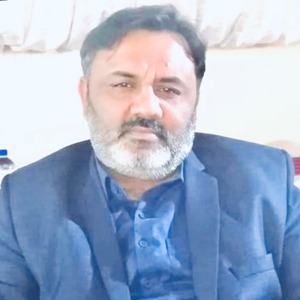
LPG Distributors Association Secretary General Rana Abdul Jabbar has offered the association’s cooperation with the government’s proposed measures, provided retailers receive standard cylinders at subsidised rates.
Jabbar said the association opposed illegal LPG sales and was willing to support measures aimed at preventing accidents and protecting consumers. He added that retailers also faced safety risks while handling LPG and did not want such incidents to result in loss of life.
According to Jabbar, the association has already instructed its members to avoid filling defective cylinders. He also said the association would not defend any retailer found violating safety regulations.
However, he urged authorities to return pumps and other equipment confiscated during enforcement operations instead of destroying them. The proposed reforms aim to bring LPG pricing and distribution under tighter control while encouraging safer storage, handling and sales practices.