




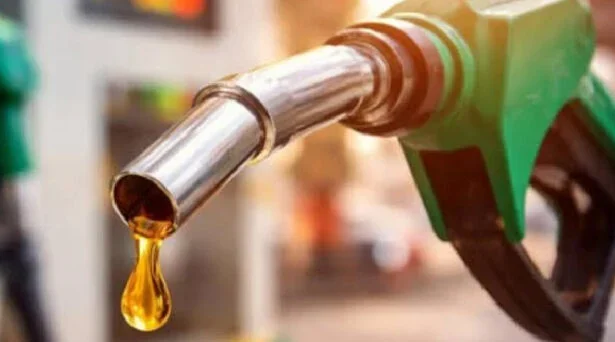
The federal government has reduced the price of petrol by Rs2.71 per litre while increasing the price of high-speed diesel (HSD) by 31 paisa, according to an official notification issued on Wednesday. The revised fuel prices will take effect from Thursday, October 22, bringing a slight reduction in petrol costs while diesel becomes marginally more expensive.
Under the new rates, petrol will be available at Rs379.31 per litre, while high-speed diesel will cost Rs390.11 per litre. The latest adjustment comes as international oil markets continue to experience volatility amid the US-Iran conflict and wider tensions across the Middle East. Changes in global petroleum prices have led to repeated revisions in domestic fuel rates.
The government continues to collect taxes and duties of Rs114 per litre on petrol and Rs100 per litre on diesel. These levies form a significant part of the amount consumers pay at fuel stations and contribute to the overall cost of petroleum products in Pakistan.
Both petrol and diesel prices have fluctuated considerably in recent months. Diesel reached Rs520.35 per litre on April 3 after rising from around Rs281 per litre following the start of the conflict on February 28. Petrol also peaked at Rs458.41 per litre on April 3, compared with approximately Rs266 during the first week of March.
To manage fuel consumption and the impact of higher energy costs, the government has introduced austerity measures. These include requiring markets to close by 9pm and reducing fuel allocations for official vehicles by 50 per cent for three months. Prime Minister Shehbaz Sharif also announced a relief scheme on September 13 for motorcycle owners, rickshaw operators and users of vehicles with engine capacities of up to 800cc.
In July, Petroleum Minister Ali Pervaiz Malik announced a shift to daily fuel price adjustments in response to international market fluctuations following renewed hostilities between Iran and the United States. The Oil and Gas Regulatory Authority (OGRA) was assigned responsibility for determining prices according to global market trends, replacing the weekly revision mechanism used since early March.
Changes in petroleum prices have a direct impact on household transport expenses, particularly for middle- and lower-income consumers who depend on motorcycles, rickshaws and small cars. Diesel prices also influence freight and public transport costs, potentially affecting the prices of essential goods. The latest revision therefore remains significant for consumers and businesses monitoring fuel expenses.