




The Punjab Procurement Regulatory Authority (PPRA) has referred a disputed purchase of laboratory equipment for the Institute of Blood Transfusion Services (IBTS) Punjab for an independent inquiry following allegations of irregularities in the bidding evaluation process and the possible supply of refurbished machinery.
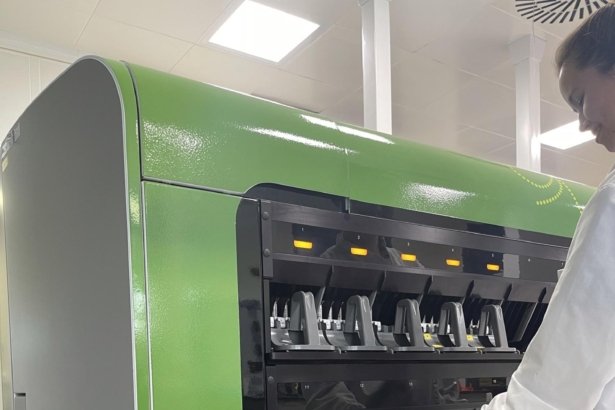
In an order issued on October 26, 2026, the authority directed the Specialized Healthcare and Medical Education Department to investigate concerns regarding the procurement of Chemiluminescence Immunoassay (CLIA) kits and fully automated laboratory analysers worth millions of rupees. The equipment was intended for 10 blood transfusion units for the 2026–27 financial year.
The proceedings followed a complaint submitted by Roche Pakistan Limited, which was declared technically non-responsive during the evaluation of bids. The procurement was arranged on a reagent-rental basis and required fully automated, brand-new and latest-model equipment. After the technical assessment, Abbott Laboratories Pakistan Limited remained the only bidder declared technically qualified.
PPRA raised concerns over unclear and subjective technical language in the procurement documents. It observed that vague requirements could allow arbitrary decisions and affect fair competition. The authority emphasised that technical specifications should be precise, transparent and based on criteria that can be objectively verified.
Roche Pakistan also alleged that equipment supplied and installed by the successful bidder was refurbished rather than brand-new, as required under the tender conditions. The company had reportedly provided testing solutions to IBTS for the previous four years, with its contract extended while the new procurement process was underway.
The regulatory authority said the allegations required further examination, including verification of the machinery’s condition, age, import history, installation records and technical specifications. It advised the secretary of the provincial department to establish an independent inquiry committee comprising departmental representatives and qualified technical experts.
The dispute has brought attention to procurement transparency, competition and compliance with technical requirements in the purchase of diagnostic equipment for public blood transfusion services. The proposed inquiry is expected to determine whether the procurement process and equipment installation followed the tender conditions and applicable public procurement rules.
No final finding of wrongdoing has been reported, and the allegations remain subject to the proposed inquiry.