



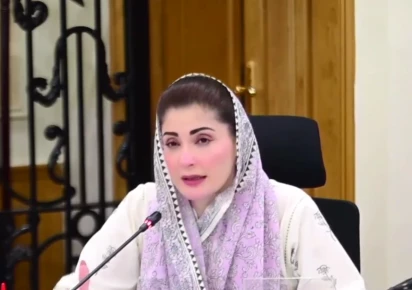
The Punjab government has approved an industrial development and export promotion programme worth Rs1.995 trillion, aiming to create more than 162,000 jobs and strengthen the province’s industrial, agricultural and economic sectors. The plan was presented by Senior Minister Marriyum Aurangzeb during a provincial cabinet meeting chaired by Chief Minister Maryam Nawaz Sharif on Monday.
The programme includes Rs1.089 trillion in investment from the provincial government and Rs906 billion from the private sector. Its main objectives include improving industrial infrastructure, developing specialised industrial clusters, increasing export competitiveness, modernising value chains and encouraging public-private partnerships. The plan also seeks to support existing industries and expand e-business, e-commerce, garment manufacturing and ready-to-use industrial facilities.
To improve the quality and competitiveness of locally manufactured products, the government plans to strengthen testing and certification services for leather, footwear and sports goods. Material-testing laboratories are also planned for industries producing cutlery, handmade tools, ceramics and fans. The programme includes export financing for horticulture and floriculture, alongside agricultural processing parks in Sargodha, Khanewal, Okara and Bhakkar. Wheat processing, meat and dairy value chains, skills development, tourism and aquaculture are also among its priority areas. The cabinet additionally approved the establishment of horticulture authorities in 20 districts.
Agriculture support formed another major part of the cabinet’s decisions. The government approved Rs9.5 billion in subsidies for 10,000 high-powered tractors under a new phase of the Chief Minister Punjab Green Tractor Programme. More than 250,000 applications have reportedly been received under the scheme, while approximately 25,000 tractors have already been delivered to farmers. The cabinet also approved a waiver of late registration fees and subsidies for the fourth phase of the low-powered Green Tractor Programme.
The cabinet further approved Rs7.6 billion for agricultural transformation in the Thal region. The funding will support drip irrigation, solar energy, water storage and related facilities across 10,000 acres in Mankera and Layyah. These measures are intended to improve agricultural infrastructure and support more efficient use of water and energy in the region.
Housing and healthcare initiatives were also included in the meeting’s decisions. The cabinet approved Rs60 billion for the Apni Chhat, Apna Ghar housing loan programme, while Maryam Nawaz rejected a proposal to impose stamp duty under the scheme. The chief minister also directed the immediate release of funds required to make hospital medical equipment operational, and the cabinet approved funding to clear essential outstanding liabilities of the specialised healthcare and medical education department. It also approved donating six clinic-on-wheels vehicles to Gilgit-Baltistan and 15 to Azad Jammu and Kashmir.
Other approvals covered the establishment of Maryam Nawaz Medical College and Teaching Hospital in Mianwali, the recruitment of teaching interns for government schools, and operational arrangements for 1,500 electric buses at the tehsil level. The cabinet also approved revisions to traffic fines under the Punjab Ring Road Authority, amendments to an air-quality management project involving electric trucks and anti-smog guns, Punjab’s hosting of the 14th South Asian Games, and relaxed recruitment restrictions for several government departments and agencies.