



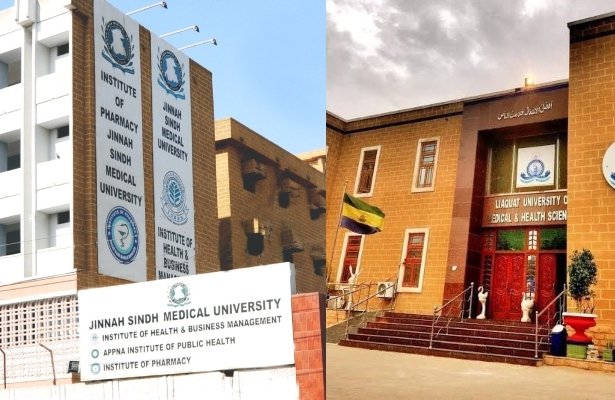
Two major public-sector medical universities in Sindh have identified suspicious marks sheets submitted by candidates seeking admission to MBBS programmes, raising concerns about the verification of intermediate examination results and the transparency of the medical college admission process.
Liaquat University of Medical and Health Sciences (LUMHS), Jamshoro, and Jinnah Sindh Medical University (JSMU), Karachi, have reportedly detected 53 suspicious marks sheets containing discrepancies between candidates’ submitted documents and the official examination results published in educational board gazettes.
According to sources, 43 suspicious marks sheets were identified at LUMHS, while seven were detected at JSMU. The documents reportedly belonged to candidates registered with the Board of Intermediate and Secondary Education Hyderabad. Sources have warned that checking all candidates’ academic records against official gazettes at medical universities could reveal further cases of alleged manipulation.
The concerns emerged after unusual differences were reportedly found between marks recorded on certain candidates’ marks sheets and the official gazette for the Hyderabad Board’s 2026 annual intermediate pre-medical examinations. In some cases, candidates’ total marks were allegedly increased by 50 to 100 during the scrutiny process. Such changes could affect admission merit rankings and the selection of candidates for medical colleges.
Sources said the alleged scrutiny-related changes took place while Hyderabad Board Chairman Faqir Muhammad Lakho was abroad to perform Umrah. The situation has raised questions about who authorised the changes during his absence, which officials processed the applications and whether the board’s prescribed procedures were followed.
Complaints about alleged irregularities in the Hyderabad Board’s 2026 Intermediate Part-II examination results had reportedly emerged earlier. Deputy Controller of the Top Secret Branch Ijaz Ali Kaka has also been suspended in connection with the matter.
Concerns have also been raised over possible alterations in marks sheets issued by the Mirpurkhas Board. According to sources, universities involved in MBBS admissions have faced difficulties obtaining original result gazettes from the board, making independent verification of candidates’ academic records more challenging.
Meanwhile, no suspicious marks sheets have so far been reported at Shaheed Mohtarma Benazir Bhutto Medical University in Larkana, another public-sector institution involved in MBBS admissions in Sindh. However, questions have also been raised about the university’s marks-sheet verification system.
The reported discrepancies have highlighted the importance of checking academic records against official examination results before finalising medical college admissions. Further verification is needed to establish the circumstances behind the suspected changes and determine whether any admission rules were violated.