



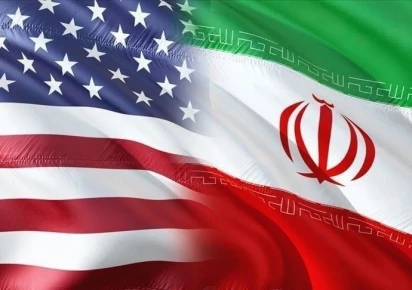
Islamabad has taken centre stage in global diplomacy as it hosts high-stakes talks between the United States and Iran, following a fragile ceasefire that ended weeks of intense conflict.
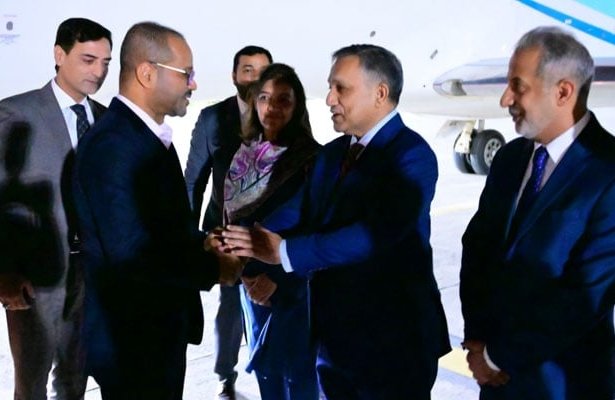
Senior delegations from both sides have arrived, highlighting the significance of the dialogue. The US delegation is led by Vice President JD Vance, while Iran’s team is headed by Parliamentary Speaker Mohammad Baqer Qalibaf, alongside Foreign Minister Abbas Araghchi.
Security measures across the capital have been significantly heightened, with major roads sealed, heavy deployment of security personnel, and enhanced surveillance systems. The exact venue of the negotiations has not been disclosed to ensure maximum security and confidentiality.
Pakistan is playing a key role as both host and mediator in the talks. The country’s leadership, including Prime Minister Shehbaz Sharif and Asim Munir, has reaffirmed its commitment to facilitating dialogue and maintaining regional stability.
Initial discussions are expected to take place separately, with Pakistan acting as a bridge between the two sides. However, the possibility of direct talks remains open if progress is made.
Diplomatic sources suggest that Washington has presented proposals addressing Iran’s nuclear programme, missile development, and broader regional security concerns. In response, Tehran is seeking assurances against future attacks, a reduction in US military presence, and steps toward regional de-escalation.
Despite the renewed diplomatic push, the ceasefire remains fragile, making these talks a critical moment for both regional and global peace.
The outcome of the negotiations could have far-reaching implications, not only for Middle East stability but also for international relations in the months ahead.