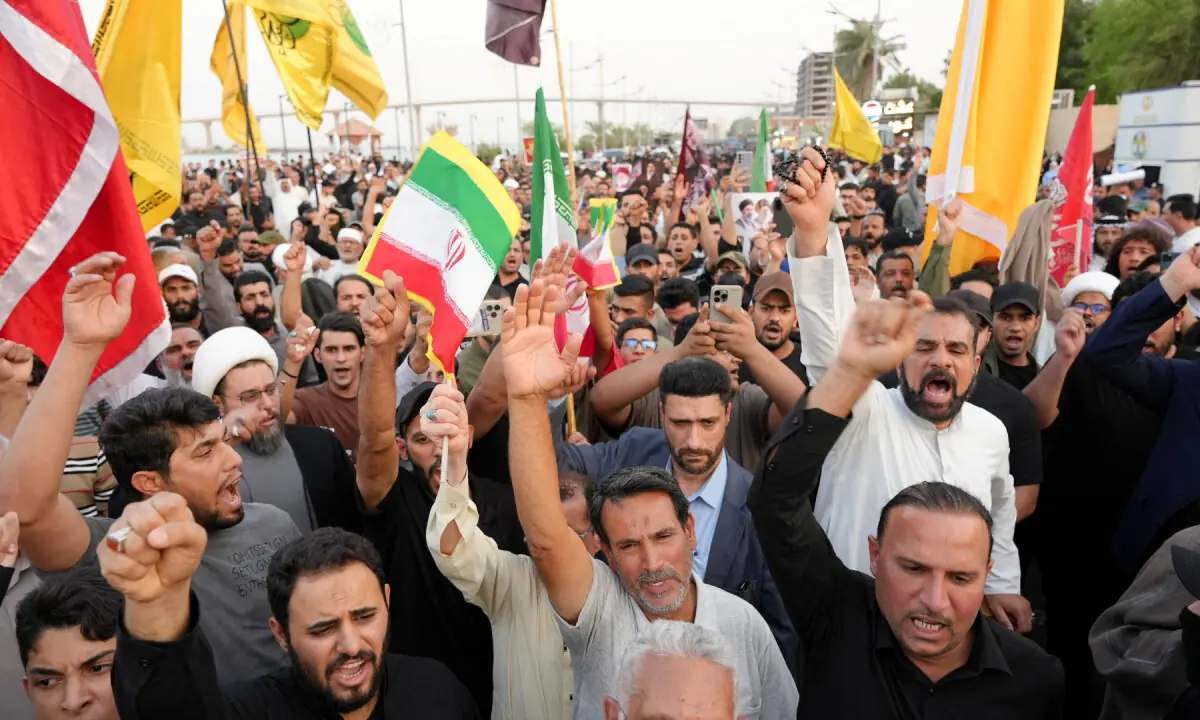




The conflict between the United States, Israel and Iran has continued amid military strikes, retaliatory attacks and repeated diplomatic efforts to secure a lasting ceasefire. The war began on February 28, when the US and Israel launched joint strikes against Iran, with US President Donald Trump announcing the start of what he described as “major combat operations.”
The strikes reportedly killed Iran’s Supreme Leader Ayatollah Ali Khamenei. His son, Mojtaba Khamenei, subsequently succeeded him as the country’s new supreme leader, adding a major political development to the ongoing conflict.
On April 8, the United States and Iran agreed to a two-week ceasefire. Pakistan later hosted the first round of direct talks between the two countries in 47 years. Although the negotiations ended without a breakthrough, they also concluded without a complete breakdown in diplomatic engagement.
Further diplomatic efforts followed in Switzerland on June 20, after the sides signed a preliminary agreement intended to help end the war. US-Iran talks were also held in Doha on July 1, with mediators describing progress as positive. However, these efforts did not produce a lasting settlement.
Military hostilities resumed on July 8, when the United States launched strikes against Iran in response to attacks on ships in the Strait of Hormuz, according to the provided timeline. Tehran retaliated, escalating tensions around the strategically important waterway.
The conflict has since remained marked by exchanges of fire and a deadlock in efforts to reach a final peace agreement. The Strait of Hormuz continues to be a key point of concern because of its importance to international shipping and energy supplies.
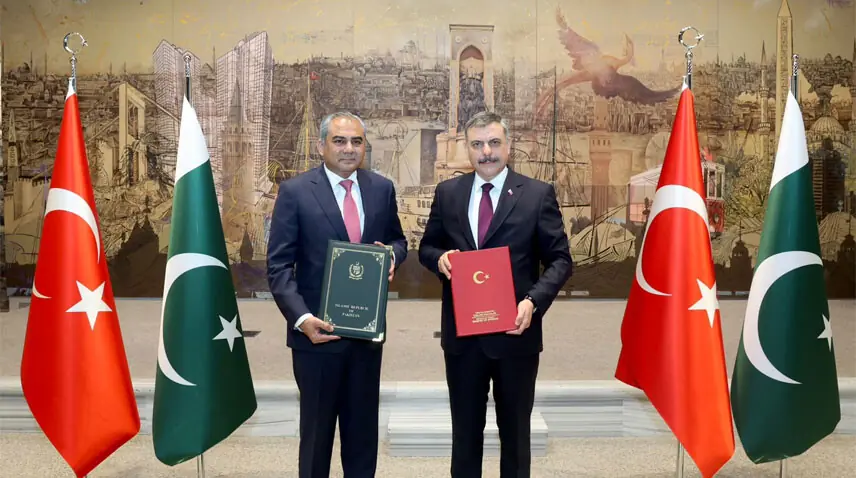
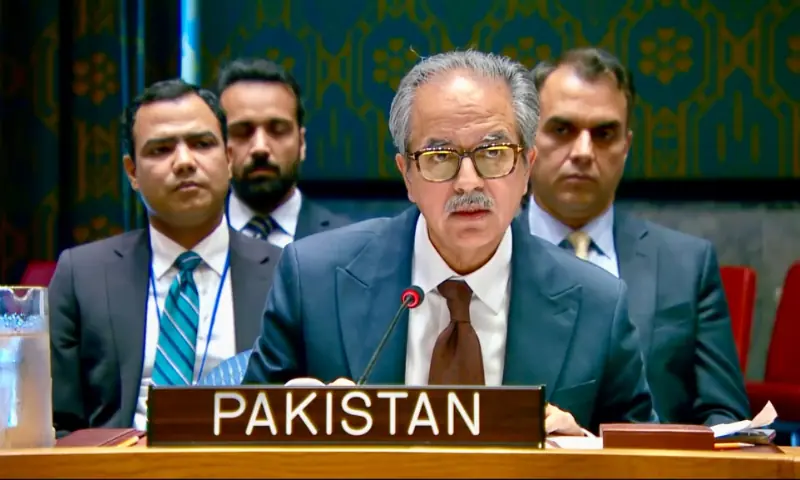
Despite multiple diplomatic initiatives involving Pakistan and other mediators, the future of ceasefire arrangements and negotiations remains uncertain. The continuing conflict highlights the challenges facing efforts to achieve a durable agreement and restore stability across the Middle East.
US-Israel War With Iran Continues Amid Ceasefire Efforts and Stalled Peace Talks