



Pakistan has stepped up diplomatic efforts to reduce tensions between Iran and the United States, as Iranian leaders have stressed that Washington must take concrete steps to rebuild Tehran’s trust before negotiations can resume. Field Marshal Asim Munir’s visit to Tehran comes amid wider international efforts to prevent renewed hostilities and revive diplomatic engagement.
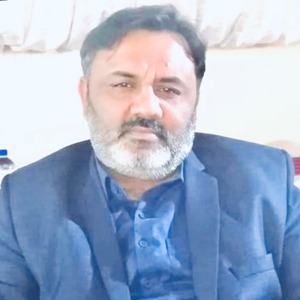
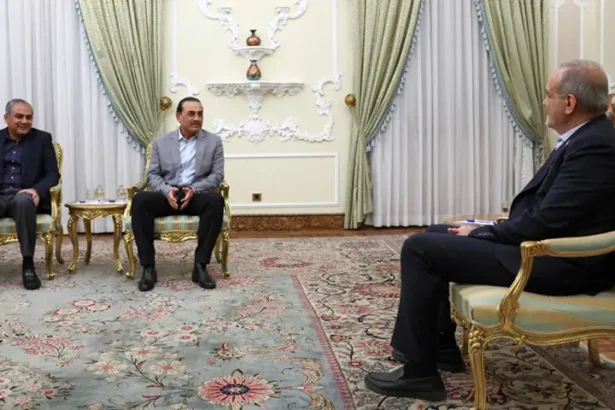
During his visit on Tuesday, Field Marshal Asim Munir, Chief of Defence Forces and Chief of Army Staff, met Iranian President Masoud Pezeshkian, Parliament Speaker Bagher Ghalibaf, Foreign Minister Abbas Araghchi and Mohsen Rezaei, a representative of Iran’s supreme leader and secretary of the Supreme National Security Council. Pakistan’s Interior Minister Mohsin Naqvi also accompanied him.
Iranian officials reportedly discussed Tehran’s seven-point proposal, which they said could provide a basis for renewed negotiations if Washington addressed Iran’s conditions. The meetings also focused on the possibility of reviving an understanding reached in Islamabad. However, no formal agreement or major breakthrough was announced following the discussions.
Speaker Bagher Ghalibaf told Field Marshal Munir that the United States could not regain Iran’s confidence without fulfilling the seven conditions Tehran had presented during meetings in New York. He accused Washington of undermining trust through previous actions, including what Iran considers a violation of the Islamabad understanding. Ghalibaf also maintained that military pressure and threats would not change Iran’s position.
Mohsen Rezaei rejected the possibility of Iran surrendering its enriched nuclear material, describing it as a national asset intended for domestic use. Iranian officials reportedly conveyed their response to a US proposal through Field Marshal Munir, while an Iranian source said Tehran expected Washington to return to the Islamabad understanding rather than present new conditions.
The discussions also covered Pakistan-Iran relations, including the temporary disruption of commercial traffic at their shared border. Iranian officials raised concerns about the closure, while Field Marshal Munir reportedly attributed it to technical reasons and said the crossings had reopened on Tuesday. The visit followed talks between Russian Foreign Minister Sergey Lavrov and Iranian leaders on the conflict and regional stability.
Although Pakistan’s Foreign Office and Inter-Services Public Relations did not issue an official account of the meetings, the visit highlighted Islamabad’s ongoing diplomatic engagement. Whether these efforts lead to renewed US-Iran negotiations remains uncertain, as the two sides continue to face differences over trust, nuclear material and the conditions for further talks.