





By: Raja A.B. Abbasi
Digital clinical health leverages technology, including artificial intelligence (AI), telemedicine, and health information technology, to improve patient-centered care, enhance clinical decision-making, and enable remote monitoring. It focuses on integrating digital tools into clinical workflows to deliver outcomes similar to in-person care while maintaining digital safety and strengthening workforce knowledge. The growing use of digital systems in healthcare is transforming the way clinicians diagnose illnesses, plan treatments, and interact with patients across different settings.

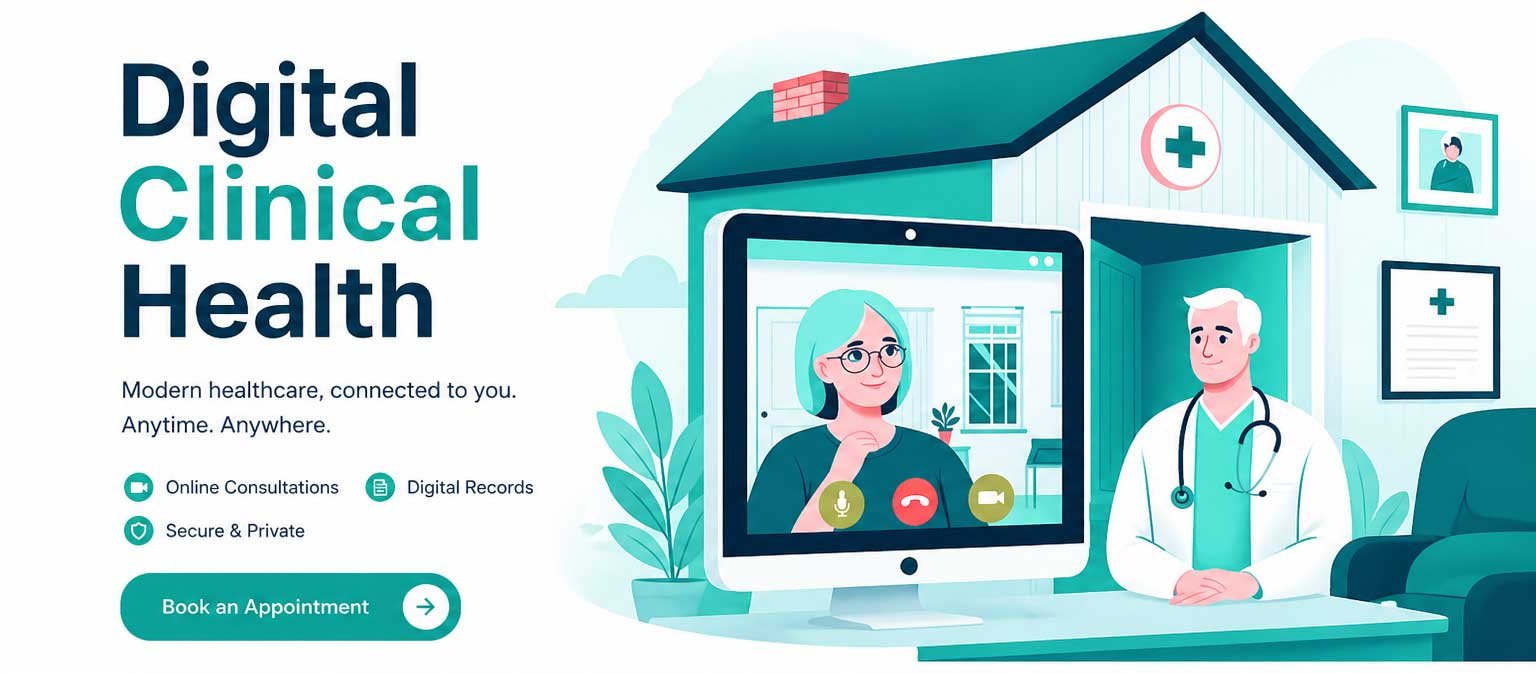
Telemedicine has become one of the most visible parts of digital clinical health. Virtual consultations now allow patients to speak with doctors without visiting a hospital or clinic in person. Remote monitoring systems make it possible for healthcare providers to track patient conditions from a distance, which is particularly useful for chronic disease management, post-surgical follow-up, and elderly care. This approach improves access to healthcare for people living in rural areas and reduces the burden on healthcare facilities while maintaining continuity of care.
Digital clinical safety remains a critical part of healthcare transformation. As digital systems become more common, healthcare organizations must ensure these technologies are safe for patients and staff. Clinical risk management frameworks help identify potential hazards before new systems are introduced. Standards such as DCB0160 in the United Kingdom provide guidance for safely implementing digital healthcare systems. These frameworks help organizations reduce errors, protect patient information, and maintain trust in digital healthcare services.
Healthcare professionals also need strong digital skills to use modern systems effectively. Clinicians must understand how to interpret data, use AI-powered tools responsibly, and communicate with patients through digital platforms. Building digital capability within the workforce is essential for the safe adoption of new technologies. Without proper training, even advanced systems may fail to deliver their full benefits. Continuous education helps ensure that healthcare staff remain confident in using digital solutions in everyday clinical practice.
Digital health transformation is moving beyond simple electronic health records toward fully connected healthcare ecosystems. These systems improve communication between departments, reduce duplication of work, and allow patients to become more involved in their own care. Better system integration can improve efficiency, strengthen patient engagement, and support faster treatment decisions. As healthcare organizations continue to modernize, digital systems are becoming central to improving both patient safety and operational performance.
Digital clinical safety also sits at the intersection of several important disciplines, including patient safety, cybersecurity, medical devices, and information governance. Safe digital healthcare depends on high-quality data, secure systems, and strong interoperability between platforms. Because healthcare environments vary widely, digital safety strategies must be flexible enough to work across hospitals, clinics, and community care settings. A coordinated approach helps ensure that digital innovation improves care without introducing unnecessary risks.
Collaboration between clinicians, technology developers, policymakers, and patients is essential for successful digital healthcare. Users of digital systems should be encouraged to report problems and contribute to system improvement. Open communication can help identify risks early and create safer systems for everyone. Clinical safety forums and professional networks also support the sharing of best practices, practical solutions, and lessons learned from implementation challenges. These efforts help create a stronger culture of safety across healthcare organizations.
A practical example of digital clinical health can be seen in home monitoring programs introduced during the COVID-19 pandemic. Patients used pulse oximeters at home to measure blood oxygen levels, with results linked to smartphone applications and digital dashboards monitored by healthcare professionals. This allowed clinicians to detect signs of deterioration earlier and provide timely medical support without requiring hospital admission. Such innovations demonstrated how digital tools can improve patient safety while making healthcare more accessible and efficient.
Digital clinical health is changing the future of medicine by combining technology with compassionate patient care. As AI, telemedicine, and integrated digital systems continue to evolve, healthcare providers have greater opportunities to improve outcomes and expand access to services. However, the success of this transformation depends on maintaining strong safety standards, improving workforce skills, and ensuring that technology always supports the needs of patients.