





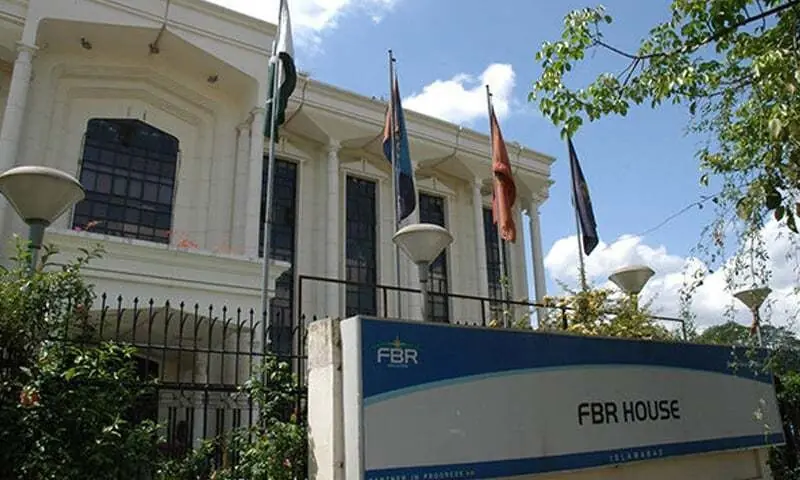
The Pakistan Tax Bar Association has raised serious concerns over weaknesses in the digital tax system managed by the Federal Board of Revenue, urging immediate reforms to improve efficiency, governance, and taxpayer facilitation.
In a formal representation submitted to FBR Chairman Rashid Mahmood Langrial, the association highlighted critical gaps in system design, legal alignment, and operational functionality. According to PTBA, these shortcomings could undermine the objectives of Pakistan’s ongoing tax digitisation efforts.
The association identified several issues, including inconsistencies between digital processes and existing tax laws, incomplete integration of HS codes, and the absence of a structured mechanism for correcting digital records. These problems, it said, are causing difficulties for taxpayers and reducing overall system effectiveness.
To address these challenges, PTBA submitted 12 key recommendations. Among them is the need to fully incorporate all laws, rules, and SROs into the FBR’s IRIS system, ensuring complete compliance with statutory provisions. The association also called for a comprehensive review of system alignment, beginning with SRO 297(I)/2023.
Additionally, PTBA stressed the importance of integrating HS codes across all tax modules, standardising units of measurement, and introducing a transparent digital correction mechanism with proper audit trails.
A major proposal includes establishing a structured complaint resolution framework, requiring system-related issues to be resolved within 48 to 72 hours. The association also recommended strengthening governance by restoring an independent Member IT role and improving coordination with Pakistan Revenue Automation Limited.
To enhance transparency, PTBA suggested public disclosure of system performance indicators such as uptime, error rates, and complaint resolution timelines. It also called for a clear accountability framework defining responsibilities between FBR and PRAL.
The association emphasised that these reforms are essential to ensure that Pakistan’s digital tax infrastructure operates efficiently, aligns with legal requirements, and provides better support to taxpayers.