



Faculty and Administrative Staff Appreciate Vice Chancellor’s Performance at Federal Urdu University
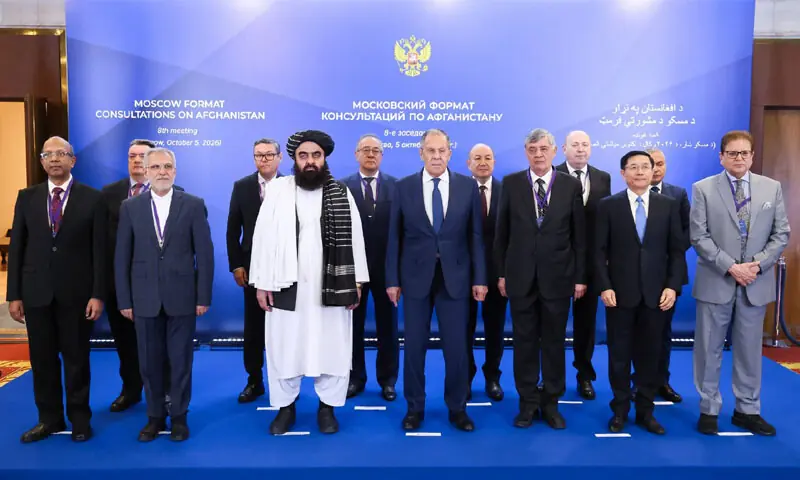
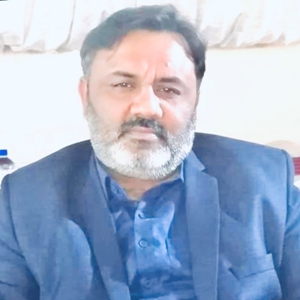
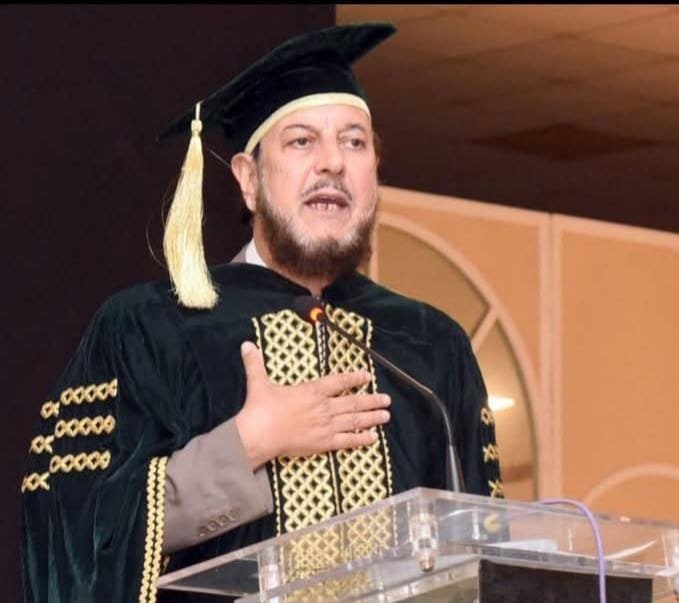
ISLAMABAD – Faculty members and administrative staff of the Federal Urdu University of Arts, Sciences and Technology (FUUAST), Islamabad, have expressed strong confidence in the leadership of Vice Chancellor Prof. Dr. Zabta Khan Shinwari (SI, TI). They described his tenure as a period of significant academic progress, institutional growth, and positive transformation that has strengthened the university’s reputation both nationally and internationally.
According to faculty members, the university has witnessed remarkable improvements during the past two and a half years. They stated that the academic environment has become more productive, administrative operations have improved, and the institution has gained greater recognition among students, researchers, and educational stakeholders.
Officials noted that public perception of Federal Urdu University has improved considerably due to effective academic planning, transparent administration, and increased visibility in traditional and digital media. University achievements, student accomplishments, research activities, and campus events are now regularly highlighted, helping build a stronger institutional image.
Faculty members emphasized that academic and co-curricular activities have expanded significantly. Seminars, workshops, conferences, and student engagement programs are being organized regularly, providing students with opportunities to develop professional skills and gain practical experience alongside their academic studies.
One of the notable achievements highlighted by faculty members is the university’s support for the digital news platform PEHEL. The platform has become an important training ground for students of Mass Communication, enabling them to gain practical journalism experience before entering the professional world. Several graduates associated with the platform have successfully secured positions in leading media organizations across Pakistan.
Faculty members also appreciated the launch and regular publication of PEHEL Magazine and the quarterly newspaper Deep by the Department of Mass Communication. These initiatives have created valuable learning opportunities for students while promoting creative and professional development within the university community.
Research development has also received special attention under the current administration. Academic journals published by various departments are being released regularly, contributing to the university’s research profile. The Department of International Relations continues to publish Political Vista, a respected academic publication focusing on contemporary international affairs, diplomacy, and policy issues.
Another significant achievement cited by faculty members is the establishment of the Seerat Chair. Through this initiative, the university regularly organizes seminars and conferences focusing on the life, teachings, and character of the Holy Prophet Hazrat Muhammad (Peace Be Upon Him). Scholars from Pakistan and abroad participate in these events, while students actively engage in speech and naat competitions that promote Islamic values and knowledge.
The Vice Chancellor’s commitment to internationalization has also strengthened the university’s global engagement. Multiple Memorandums of Understanding (MoUs) have been signed with international universities, creating opportunities for academic collaboration, joint research projects, conferences, and student exchange programs.
Faculty members specifically referred to the international conference organized in Kazan, Russia, under the umbrella of Federal Urdu University. The event brought together academics, researchers, diplomats, students, and policymakers from different countries. A large delegation from Pakistan participated in the conference, including university leaders and faculty members representing FUUAST.
International partnerships with educational institutions in countries such as Russia and Poland have further expanded opportunities for students and researchers. These collaborations are expected to open new avenues for academic exchange and professional development in the coming years.
Faculty members also recalled the visit of the Palestinian Ambassador to Pakistan during a challenging period for the Palestinian people. The ambassador interacted with students and faculty members, appreciated Pakistan’s support for Palestine, and strengthened cultural and diplomatic understanding among students.
The establishment of the Department of Pharmacy at the Islamabad Campus was highlighted as another major milestone. Following approval from the Pakistan Pharmacy Council, the department has attracted significant interest from prospective students, with applications exceeding the available seats. The university is also launching a Department of Biotechnology and introducing additional academic programs designed to meet modern educational and industry requirements.
Furthermore, approval for an MPhil program in International Relations has been secured, creating advanced research opportunities for students seeking higher education in the field of international studies and diplomacy.
The Qarshi Clinic was described as another important development under the current administration. Established with the support of the Qarshi Foundation, the clinic provides free medical consultations and medicines to students, faculty members, staff, and local residents. It is also expected to serve as a practical learning facility for pharmacy students.
Administrative officers praised the successful implementation of a solar energy project across university campuses. The project is expected to reduce operational costs significantly while supporting environmental sustainability and energy efficiency initiatives.
Faculty members and administrative staff concluded that the university’s peaceful environment, improved academic standards, and expanding educational opportunities have contributed to increased admissions and growing public trust. They expressed confidence that the introduction of new departments, academic programs, research initiatives, and international partnerships reflects a long-term vision for sustainable institutional growth.
They reiterated their support for the university’s leadership and emphasized that while constructive criticism is valuable for institutional improvement, unnecessary controversies should not overshadow the university’s achievements. According to faculty and staff members, Federal Urdu University continues to play a vital role in providing quality higher education, particularly for students from middle-income families, while maintaining its commitment to academic excellence, research advancement, and national development.