



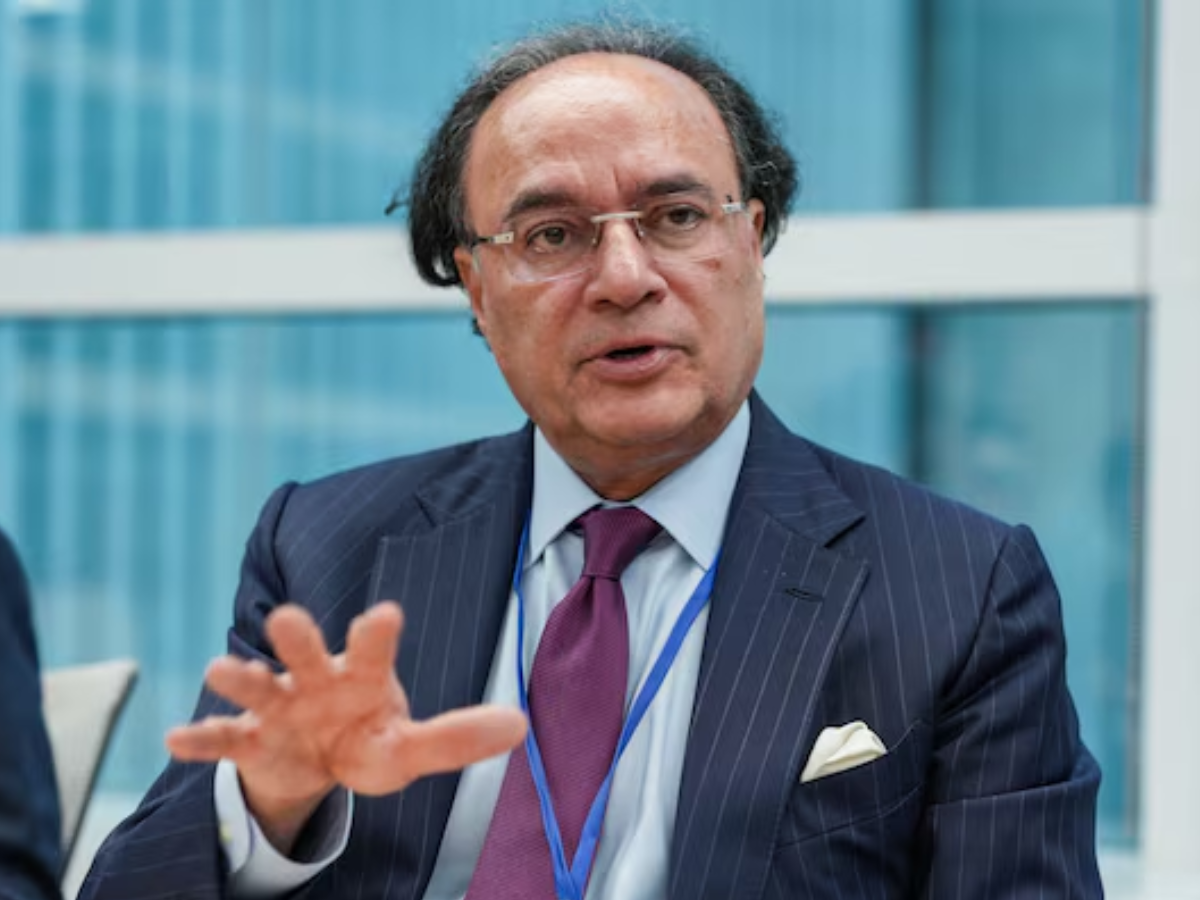
Health and Education Now Top Priorities After Economic Stability, Says Aurangzeb
ISLAMABAD – Finance Minister Muhammad Aurangzeb has said that Pakistan is now shifting its focus toward health, education, skills development, and social protection after making significant progress in achieving economic stability.
The remarks were made during a meeting with a World Bank delegation led by Vice President for Human Development Mamta Murthi, where both sides discussed strategies for strengthening Pakistan’s human development sector and improving long-term economic growth.
Human Capital Key to Sustainable Growth
According to the Ministry of Finance, Aurangzeb emphasized that Pakistan’s young population represents one of the country’s greatest strengths. He stressed the importance of equipping youth with modern skills that align with the demands of local and global job markets.
The finance minister stated that investment in human capital is essential for sustainable economic development, improved competitiveness, and the creation of better employment opportunities.
He noted that strengthening education, healthcare, and workforce capabilities remains a central pillar of the government’s broader economic transformation agenda.
Government Shifts Focus Beyond Economic Stability
Aurangzeb explained that after making progress in stabilizing the economy, the government is now prioritizing sectors that directly improve citizens’ quality of life.
The new focus areas include:
- Health sector improvement
- Education reform
- Skills and vocational training
- Social protection programs
- Workforce development
- Digital transformation initiatives
He also acknowledged the World Bank’s continued support for Pakistan’s reform efforts and development programs.
Health and Education Discussed in Detail
During the meeting, both sides reviewed several key human development challenges facing Pakistan.
Discussions covered:
- Maternal and child healthcare
- Nutrition and food security
- Immunization programs
- Early childhood education
- Population-related challenges
- Strengthening primary healthcare services
- Access to essential medical facilities
The participants emphasized that improving these sectors is critical for enhancing overall human development indicators and achieving long-term socioeconomic progress.
World Bank Highlights Development Challenges
World Bank Vice President Mamta Murthi highlighted the importance of addressing child malnutrition, stunting, limited access to quality education, and healthcare service gaps.
She reaffirmed the World Bank’s commitment to supporting Pakistan in improving service delivery and implementing programs that produce measurable development outcomes.
Murthi noted that investments in health and education contribute significantly to economic productivity and national development.
Skills Development and Employment Generation
The meeting also focused heavily on workforce development and employment opportunities.
The World Bank delegation shared international experiences related to:
- Technical and vocational training
- Skills development programs
- Employment-focused education
- Workforce modernization initiatives
Both sides agreed on the need to strengthen links between educational institutions, training centers, and industry requirements to ensure that graduates possess skills demanded by employers.
Greater private-sector participation in workforce development programs was also discussed as a way to improve employment outcomes for young people.
Role of Technology and Artificial Intelligence
Participants also explored how artificial intelligence (AI) and digital technologies can support improvements in healthcare, education, and workforce development.
Officials discussed the potential use of digital platforms, smart learning systems, and technology-driven healthcare solutions to improve service delivery and expand access to opportunities across Pakistan.
The integration of modern technology into education and training programs was identified as a key factor in preparing the workforce for future economic challenges.
Future Cooperation with the World Bank
The World Bank invited Pakistan to participate in the upcoming Universal Health Coverage Global Forum scheduled to be held in Japan later this year.
At the conclusion of the meeting, both sides reaffirmed their commitment to expanding cooperation in:
- Healthcare services
- Education reform
- Social protection initiatives
- Skills development
- Workforce training
- Technology-driven public services
The discussions reflect Pakistan’s growing emphasis on human development as a foundation for sustainable economic growth and long-term national progress.
Government officials believe that continued investment in education, healthcare, and youth empowerment will help create a more skilled workforce, improve living standards, and strengthen Pakistan’s economic future.