




India is witnessing a growing wave of Generation Z-led protests, as thousands of students and young activists take to the streets demanding reforms in education, employment, and governance. The India Gen Z movement has emerged as one of the country’s most significant youth-led campaigns in recent years, raising concerns for the Modi government over increasing public dissatisfaction among young citizens.
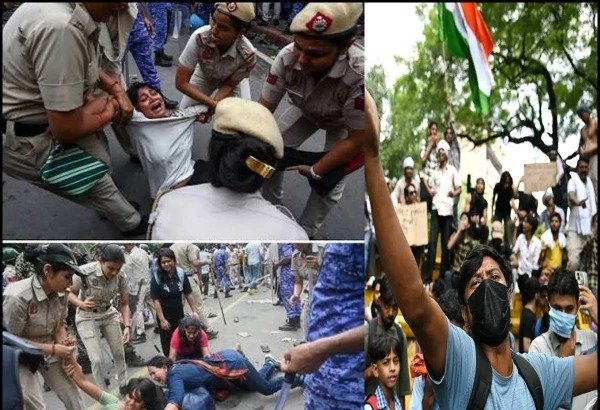
Large demonstrations in New Delhi, particularly at Jantar Mantar, have drawn national attention. Protesters attempted to march toward Parliament while demanding accountability over alleged irregularities in competitive examinations, including reported paper leaks and concerns surrounding the country’s education system. Students argue that repeated examination failures and lack of transparency have damaged trust in institutions and jeopardized the future of millions of aspiring candidates.
The protests intensified after clashes between demonstrators and police, with authorities reportedly using tear gas and batons to disperse crowds. Several protesters were injured during the operation, prompting criticism from opposition leaders, civil rights organizations, and student groups over the handling of peaceful demonstrations.
The movement has also received support from well-known social activist Sonam Wangchuk, whose participation has increased public attention and strengthened calls for educational reforms. Protest leaders insist that their campaign is focused on securing fair examinations, transparent governance, and equal opportunities for India’s youth.
Beyond education, protesters have voiced concerns over rising unemployment, increasing education costs, and limited career opportunities. Political analysts believe these issues have united India’s Gen Z generation, which is increasingly using social media platforms to organize demonstrations, mobilize supporters, and amplify its message nationwide.
Experts say the rise of Gen Z activism reflects a broader trend across South Asia, where youth movements in countries such as Bangladesh, Nepal, and Sri Lanka have already influenced political developments. As India’s youth become more politically engaged, the movement could significantly shape future debates on governance, accountability, and public policy.
The long-term political impact of the India Gen Z movement remains uncertain, but analysts agree that the country’s younger generation is becoming a powerful force demanding transparency, fairness, and meaningful reforms.