




Pakistan is once again facing a sharp increase in Iranian fuel smuggling as illegal petroleum products continue entering the local market through border regions. The renewed inflow comes during a period of rising global oil prices and continued uncertainty caused by disruptions linked to the Strait of Hormuz crisis.
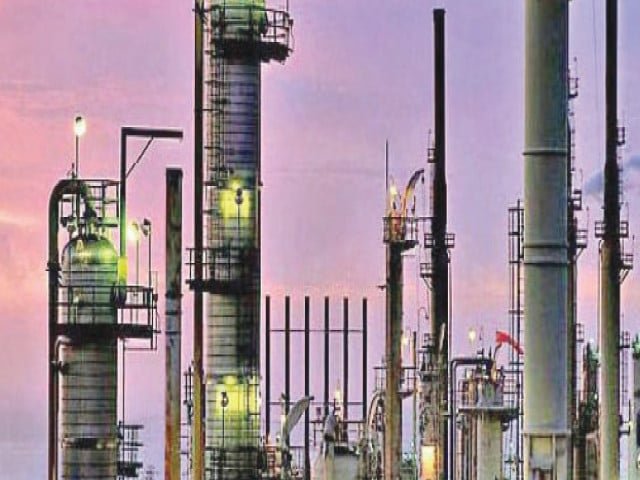
According to reports, domestic refineries including Pak Arab Refinery (Parco), Pakistan Refinery Limited (PRL), National Refinery Limited (NRL), and Attock Refinery Limited (ARL) have raised serious concerns with the Oil and Gas Regulatory Authority (Ogra). The refineries warned that unchecked smuggling of Iranian petrol and diesel is reducing demand for locally refined fuel and threatening refinery operations across Pakistan.
Industry officials say the situation could severely impact the national petroleum supply chain if urgent action is not taken. The refineries urged authorities to strengthen border enforcement and monitoring systems to stop the growing flow of illegal petroleum products entering the country through land and sea routes.
Reports indicate that Pakistan’s oil import bill has surged dramatically due to international tensions and higher crude prices. Weekly oil import costs have reportedly jumped from $300 million to nearly $800 million, increasing pressure on the country’s already struggling economy.
Officials estimate that nearly 2.8 billion litres of smuggled fuel enter Pakistan annually, causing losses of around Rs227 billion to the national exchequer. The government is also losing billions in petroleum levy and customs duties because smuggled fuel is sold through unauthorized roadside petrol outlets across Balochistan, Sindh, and southern Punjab.
The issue had previously reached alarming levels in 2023 when smuggling reportedly crossed 10 million litres per day before a crackdown reduced the volume. However, the latest reports suggest that illegal inflows are rising again due to high international fuel prices and concerns over supply shortages.
Refinery operators have warned that asking local refineries to reduce production instead of controlling smuggling could discourage future investment in Pakistan’s energy sector. They argue that billions of dollars cannot be invested in refinery upgrades if illegal fuel continues dominating the market unchecked.
Experts believe Pakistan urgently needs stronger anti-smuggling operations, strategic oil reserves, and long-term energy planning to reduce dependency on illegal fuel networks and protect the country’s economic stability.