




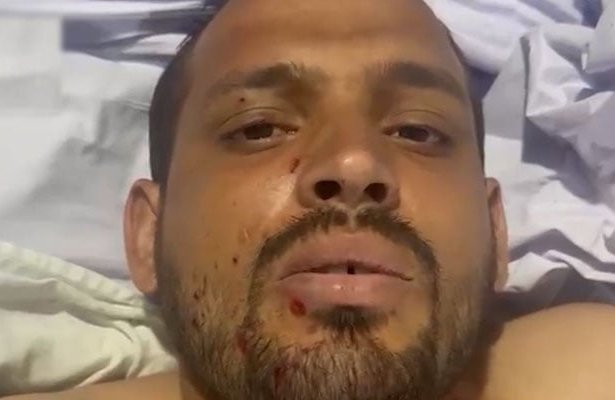
Fresh evidence has emerged following the interrogation of an injured suspect arrested after the attack on a Pakistan Rangers (Sindh) camp in Karachi. According to investigators, the suspect claimed he received militant training in Afghanistan and disclosed alleged links between Jamaat-ul-Ahrar and cross-border terrorist networks.
The suspect, identified as Usman Ali, reportedly told investigators that he entered Pakistan from Jalalabad, Afghanistan, along with three other militants. He identified his alleged accomplices as Abdul Hadi, Janan, and Umar Farooq, adding that Abdul Hadi was killed during the security operation.
During questioning, the suspect claimed the group entered Pakistan approximately one week before the attack and stayed at the residence of Abdul Hadi in Bajaur before moving to Karachi. He further alleged that the militants were later sheltered in an under-construction building before carrying out the planned assault on the Rangers facility.
According to the interrogation, the weapons used in the attack were allegedly transported from Waziristan, while one of the attackers, Janan, was responsible for throwing an explosive device during the assault. The suspect stated that he was injured while attempting to escape and was subsequently arrested by security forces.
The suspect also claimed he was a member of Jamaat-ul-Ahrar and alleged that the group’s commander was based in Afghanistan. During interrogation, he stated that militants had received specialized training, including combat tactics and the preparation of suicide vests, from instructors operating across the border.
Investigators are examining the suspect’s statements as part of the ongoing investigation into the Karachi Rangers camp attack. Authorities continue to collect evidence and verify the claims made during questioning.
Security analysts say the alleged confessions reinforce Pakistan’s long-standing concerns regarding cross-border militancy. Pakistani officials have repeatedly urged stronger action against militant groups accused of using Afghan territory to plan and facilitate attacks inside Pakistan.
The investigation into the Karachi attack remains ongoing, with security agencies continuing efforts to identify facilitators, uncover support networks, and strengthen counterterrorism measures aimed at preventing future attacks.