



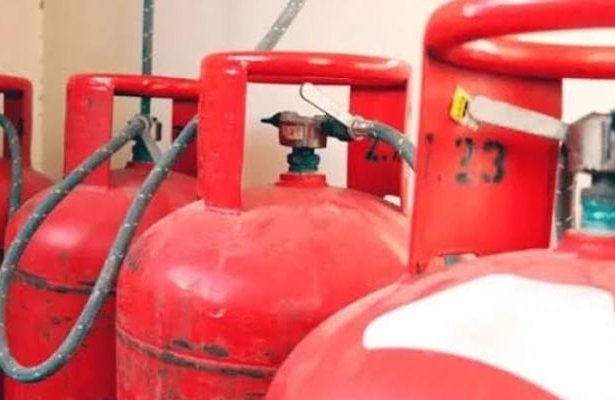
Liquefied petroleum gas (LPG) prices remain elevated in major cities across Pakistan despite the resumption of supplies, placing additional financial pressure on households that depend on the fuel for cooking and other domestic needs. Prices continued to remain high on Tuesday, indicating that the return of supplies has not yet translated into lower retail rates.
In Lahore, LPG is being sold at Rs600 per kilogram. The same rate has been reported in Rawalpindi and Islamabad. Consumers in Peshawar are paying Rs570 per kilogram, while prices in Karachi and Quetta stand at Rs530 per kilogram.
The continued high prices are affecting households, particularly in areas where piped natural gas is unavailable or its supply is unreliable. For these consumers, LPG remains an important domestic fuel, making price increases a significant addition to household expenses.
Ali Haider, Senior Vice Chairman of the LPG Distributors Association, had earlier said that supplies had resumed through incoming vessels and the Iran border. However, he identified a shortage of transport vehicles as a major obstacle to the distribution of LPG across the country.
Haider expressed hope that LPG prices in Karachi would decline to around Rs480 per kilogram within the following 48 hours as the supply chain returned to normal. However, the anticipated reduction had not materialised by Tuesday, and prices remained high in several major cities.
The situation highlights the difference between the resumption of supplies and the restoration of normal market prices. Although LPG is reportedly available through incoming shipments and cross-border supplies, transportation shortages and distribution challenges may be preventing the benefits from reaching consumers.
Households are now awaiting improvements in distribution and a reduction in retail prices, particularly in cities where LPG is selling for Rs600 per kilogram. The pace of any price relief will depend on how quickly transportation and distribution difficulties are addressed.