




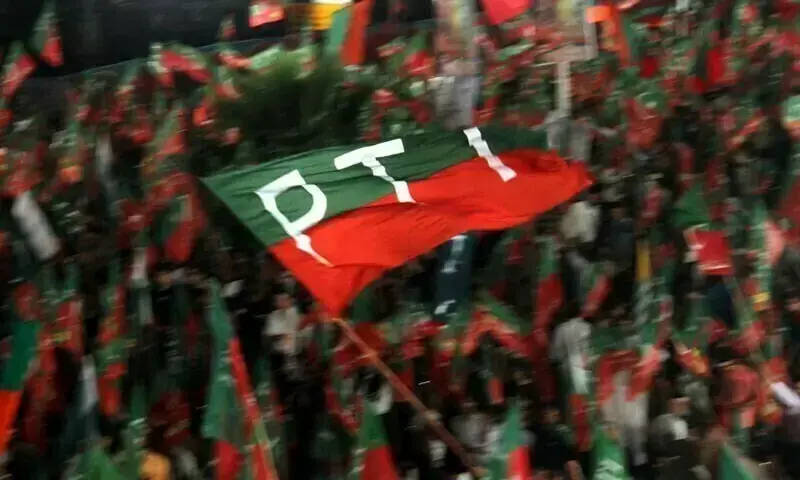
Pakistan Tehreek-e-Insaf (PTI) has rejected reports that its core committee has been sidelined or that its decision-making powers have been transferred to another party body. The clarification came amid reports of possible changes to the party’s internal decision-making structure, with PTI officials maintaining that its core committee, political committee and parliamentary party have separate responsibilities.
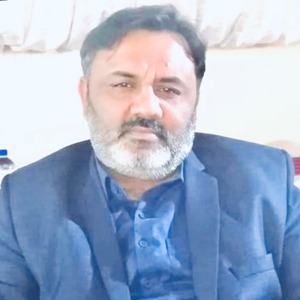
PTI Central Information Secretary Sheikh Waqas Akram said the three forums perform distinct functions. According to him, the core and political committees handle organisational and political decisions, while the parliamentary party focuses on legislative matters and parliamentary affairs. He added that recommendations from the parliamentary party receive consideration and may be referred to the relevant committees.
Akram said final authority over party decisions rests with PTI founder Imran Khan, who has delegated responsibilities to the committees. The statement sought to clarify the party’s existing arrangements amid speculation about changes to its organisational structure.
PTI Says Strengthening Parliamentary Committee Remains a Proposal
PTI leader Naeem Haider Panjutha told Dawn that Barrister Ali Zafar had suggested strengthening the parliamentary committee during a meeting. However, Panjutha said the proposal had not been formally approved and no decision to change the committee structure had been made.
Panjutha explained that Imran Khan had entrusted the political committee with decision-making authority while directing that the core committee should also be consulted before decisions were finalised. He said the core committee’s large membership made decision-making more difficult, prompting the formation of the political committee to facilitate discussions and reduce the risk of internal deliberations being leaked.
He also mentioned a proposal to include the heads of the party’s organisational bodies in the political committee. According to Panjutha, responsibilities for the political movement and negotiations were subsequently assigned to Mahmood Khan Achakzai and Raja Nasir Abbas, while Sohail Afridi was given responsibility for leading the street movement. Panjutha questioned how any structural change could be made without Imran Khan’s approval.
The party also rejected a statement attributed to interim chairman Barrister Gohar Ali Khan concerning the circumstances surrounding the Khyber Pakhtunkhwa chief minister’s detention. The disputed statement reportedly suggested that the chief minister could have avoided detention by remaining in Mardan rather than travelling to Peshawar.
PTI Raises Concerns Over Imran Khan and Bushra Bibi’s Detention
In a separate statement, PTI condemned the prolonged detention of its founder, Imran Khan, and his wife, Bushra Bibi. The party alleged that their fundamental and constitutional rights had been restricted and raised concerns about access to family members, lawyers and party leaders.
Sheikh Waqas Akram claimed that Imran Khan had spent 1,177 days in detention at Adiala Jail, including 356 days in solitary confinement, while Bushra Bibi had been imprisoned for more than 911 days. These figures were presented as claims by the party in its statement.
PTI called for both individuals to receive their legal and constitutional rights, including regular meetings with family members, legal representatives and party leadership. Akram also demanded appropriate medical care for Imran Khan under the supervision of his personal physician, along with a comprehensive examination by qualified medical specialists.
Party Demands Release of Detained Leaders and Workers
The party also criticised the continued detention of Imran Khan’s sisters, despite the reported completion of their 30-day detention under the Maintenance of Public Order law. It called for their immediate release, alongside that of detained PTI leaders, elected representatives and party workers.
PTI argued that preventive detention should not be used to punish political dissent or silence opposition voices. It further warned that disregard for constitutional safeguards, due process and the privacy of homes could have broader implications for citizens’ rights and freedoms.
The statements address two separate issues facing PTI: questions surrounding its internal decision-making arrangements and its objections to the detention of party figures. While the party maintains that no structural shake-up has been approved, its leaders have reiterated demands concerning the legal rights and release of detained members.