



A major controversy has emerged in Khyber Pakhtunkhwa’s healthcare system after a former hospital director of Lady Reading Hospital (LRH) was appointed to Mardan Medical Complex (MMC), despite earlier removal orders issued by the chief minister.
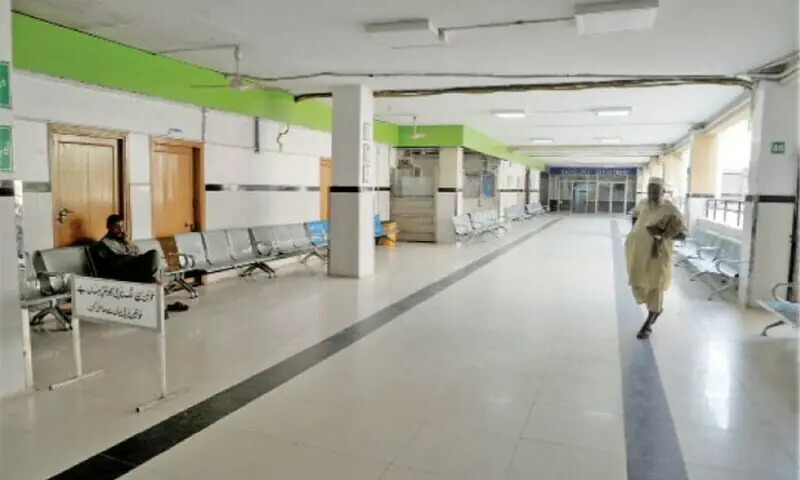
The issue dates back to December, when the KP chief minister conducted a surprise late-night visit to LRH in Peshawar. During the visit, he expressed serious dissatisfaction over poor patient care, mismanagement, and lack of proper facilities in the paediatric emergency department. Following this inspection, the chief minister ordered the immediate removal of the hospital director and suspension of the department head.
However, instead of implementing these orders, the LRH Board of Governors (BoG) initiated an internal inquiry. The inquiry later cleared both officials, allowing the director, Dr Mohammad Abrar Khan, to complete his tenure.
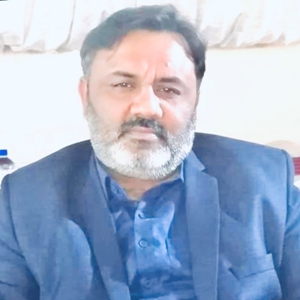
In a surprising move, Dr Abrar has now been appointed as the hospital director of Mardan Medical Complex for a five-year term. The appointment was made by the MMC Board of Governors, sparking debate over the authority and independence of MTI boards.
Officials have raised concerns that boards of governors under the Medical Teaching Institutions (MTI) system exercise broad powers, often overriding directives from the provincial government. The MTI Reforms Act allows these boards to make key administrative decisions independently, including senior appointments, without direct oversight from the health department.
Critics argue that this system has led to a lack of accountability, where officials removed or criticised in one institution can be appointed to another without restrictions. The situation has also highlighted the limited role of the health department, which reportedly has no direct control over MTI operations despite providing significant funding.
The controversy has further intensified discussions around governance, transparency, and performance in public-sector hospitals. Concerns have also been raised about high salaries for MTI officials compared to government officers, without a corresponding improvement in healthcare services.
As the debate continues, the case is being seen as a test of administrative authority and the effectiveness of reforms introduced under the MTI framework in Khyber Pakhtunkhwa.