




Govt Proposes New Industrial Power Tariff to Reduce Shift Towards Solar Energy
ISLAMABAD – The federal government has proposed a new industrial electricity tariff structure aimed at encouraging factories and businesses to consume more power from the national grid while discouraging a growing shift toward solar energy and other off-grid alternatives.
The proposal, which has been shared with the International Monetary Fund (IMF), introduces a two-part tariff model that would reward higher electricity consumption with lower unit rates while increasing fixed charges for consumers who use significantly less electricity than their sanctioned load.
Officials say the policy is designed to improve the financial sustainability of Pakistan’s power sector and make better use of existing generation and transmission infrastructure.
How the New Tariff Will Work
Under the proposed framework, industrial consumers that utilize more than 50 percent of their sanctioned electricity load could receive a reduction of approximately one to two US cents per kilowatt-hour in energy charges.
This would bring the effective electricity tariff down to around seven to eight US cents per kilowatt-hour. At even higher utilization levels, tariffs could potentially fall to nearly six US cents per kilowatt-hour.
Government officials believe these reduced rates would make Pakistan’s industrial electricity prices more competitive internationally and encourage industries to increase their reliance on grid electricity.
Higher Fixed Charges for Low Consumption
The proposal also focuses on recovering fixed costs associated with maintaining power infrastructure.
Officials argue that many industrial consumers maintain large sanctioned loads but consume relatively small amounts of electricity from the national grid because they increasingly rely on solar power systems or captive power generation.
Despite lower consumption, the electricity system must still maintain generation, transmission, and distribution capacity to serve these consumers whenever required.
As a result, industries with low grid utilization may face higher fixed charges under the proposed tariff structure.
Government Aims to Improve Grid Utilization
According to the Power Division, approximately 75 percent of Pakistan’s electricity generation costs are fixed, while only 25 percent vary with actual electricity production.
When electricity consumption declines, these fixed costs are distributed among fewer consumers, resulting in higher electricity prices for everyone connected to the system.
Officials believe encouraging greater industrial demand could spread fixed costs across larger electricity sales volumes and reduce overall power prices.
Preliminary estimates suggest that the policy could generate additional demand of nearly 1,000 megawatts within six to twelve months after implementation, depending on industrial participation and market response.
IMF Reviewing the Proposal
The government has discussed the proposed tariff structure with the IMF during ongoing economic consultations.
According to officials, the IMF has requested regular data regarding industrial electricity consumption trends and the number of consumers moving away from the national grid before making a final assessment of the policy.
Authorities maintain that measures promoting industrial competitiveness, increasing electricity sales, and improving recovery of fixed costs align with broader economic and energy-sector reform objectives.
Impact on Solar Adoption
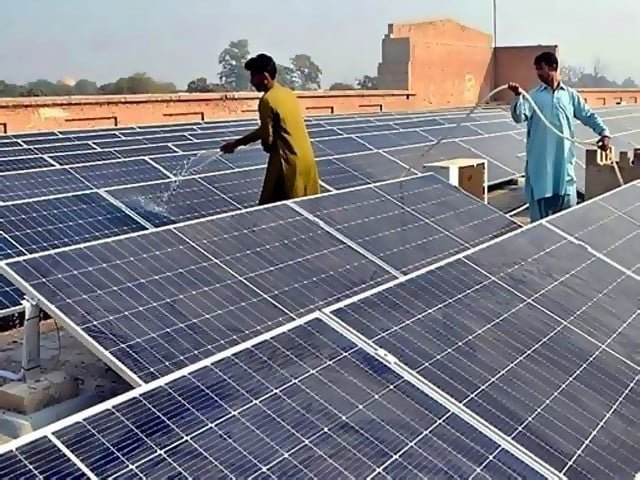
The new pricing model could significantly influence industrial decisions regarding solar energy investments and captive power generation.
If grid electricity becomes more affordable during peak industrial operating hours, businesses may choose to rely more heavily on the national electricity network rather than investing further in independent power solutions.
Energy experts believe the policy represents one of the government’s most significant attempts to address the rapid migration of industrial consumers toward solar energy, which has reduced demand on the national grid and increased financial pressure on the power sector.
Initial Rollout for Industries
The Power Division has confirmed that the proposed tariff will initially be available only for industrial consumers and will remain optional rather than mandatory.
If successful, the model could later be expanded to commercial and residential consumers.
Energy-intensive industries and continuous-process manufacturing sectors are expected to be among the first beneficiaries because of their consistently high electricity consumption levels.
Strengthening the Power Sector
The government believes the new industrial tariff framework can help stabilize the electricity sector by retaining large-paying customers, increasing electricity sales, improving cost recovery, and supporting future privatization plans for electricity distribution companies.
Officials say consultations are continuing and the proposal is expected to be finalized within the next two months, subject to approval from relevant regulators and authorities.
As Pakistan continues balancing renewable energy growth with power sector sustainability, the proposed tariff may become a key component of the country’s broader energy reform strategy.