



KARACHI: Journalists, media professionals, digital innovators, civil society representatives and alumni of U.S. exchange programmes gathered in Karachi for the Open Voices Conference, titled “Strengthening Media, Dialogue, and Digital Innovation in Pakistan.”
The conference focused on Pakistan’s rapidly evolving media environment, with discussions covering digital innovation, artificial intelligence, media entrepreneurship, journalism and the growing need for credible and reliable information.
Faareha Fatima, Alumni Manager at the U.S. Consulate General Karachi, addressed participants and highlighted the importance of professional networks, experiences and available opportunities in creating a positive impact in society. She encouraged alumni to use their expertise to contribute to their communities and professional fields.
The keynote address was delivered by Engr. Sabeen Ghouri, Parliamentary Secretary for the Ministry of Information Technology & Telecommunications, Government of Pakistan. She discussed Pakistan’s changing digital landscape and the opportunities and challenges emerging from rapid technological developments.
Ghouri highlighted the growing role of technology in shaping how information is produced, distributed and consumed. Participants also discussed the increasing influence of digital platforms and the need for media professionals to develop an understanding of emerging technologies to remain relevant in a rapidly changing information environment.
The conference also featured teasers and explainer videos developed under the grant, demonstrating how digital media formats can simplify complex subjects and communicate information in accessible and engaging ways.
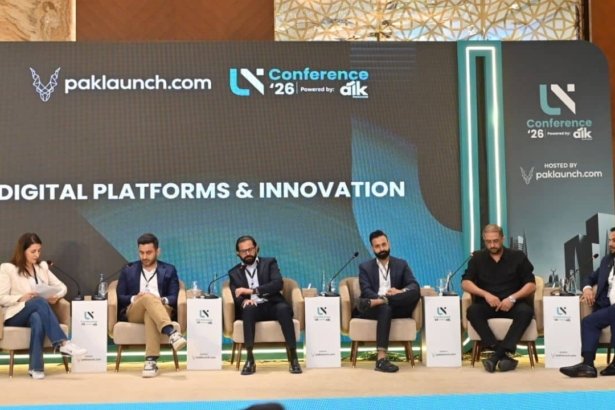
A key session was the panel discussion titled “Truth in the Age of Noise: Ethical and Credible Journalism in Pakistan’s Evolving Media Landscape.” The panel brought together journalists and media professionals to examine the challenges and opportunities facing journalism in the digital age.
Journalist Mazhar Abbas, senior journalist Afia Salam, Wusatullah Khan and Ali Arsalan participated in the panel, while senior journalist Lubna Jerar Naqvi moderated the discussion.
Panelists discussed the changing nature of journalism and the growing opportunities for media professionals through digital platforms. They also highlighted media entrepreneurship and the potential for sustainable and scalable digital platforms.
Another major focus was the need to maintain journalistic credibility and accountability as artificial intelligence and other digital tools become increasingly integrated into media production. Speakers stressed that journalists must adapt to technological developments while maintaining accuracy, professional ethics and audience trust.
The discussion also explored ways for journalists and media practitioners to strengthen their digital skills, build independent platforms and pursue new professional and entrepreneurial opportunities without compromising established journalistic standards.
An interactive question-and-answer session allowed participants to engage directly with the panelists on issues including artificial intelligence, digital innovation, media entrepreneurship, journalistic credibility and emerging trends in Pakistan’s information landscape.
The conference concluded with opportunities for participants to network with fellow journalists, media professionals, alumni and other practitioners. The event provided a platform for exchanging experiences, developing professional connections and exploring potential collaborations in journalism, digital innovation and media entrepreneurship.