



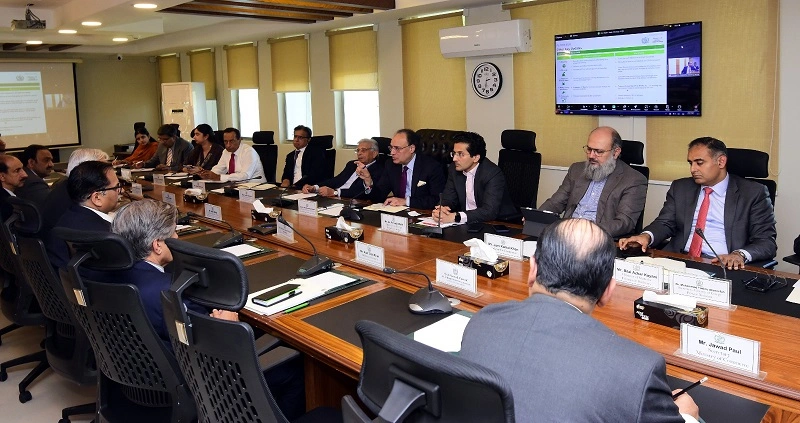
The government of Pakistan has finalized a comprehensive national action plan to protect fuel supplies and maintain energy stability amid rising tensions in the Middle East. The plan was developed during a high-level meeting of the cabinet committee formed by Prime Minister Shehbaz Sharif to monitor petrol prices and assess the potential impact of the ongoing regional conflict on Pakistan’s fuel supply chain.
According to officials from the Ministry of Finance Pakistan, the government is preparing precautionary measures that could include distance learning in educational institutions, work-from-home arrangements in offices, and weekly revisions in petroleum prices starting March 8. These steps aim to conserve fuel and reduce pressure on the country’s energy resources if international supply disruptions worsen.
The meeting of the cabinet committee was chaired by Finance Minister Muhammad Aurangzeb, where federal and provincial representatives reviewed national petroleum stock levels and evaluated preparedness strategies. Officials stated that Pakistan currently maintains sufficient petroleum reserves for key fuel products, and there is no immediate shortage expected.
The committee also studied lessons learned during the COVID-19 pandemic, when remote working and distance education were implemented nationwide. Authorities believe similar strategies can help reduce fuel consumption, save foreign exchange, and ease financial pressure on both the federal budget and households.
In addition to domestic measures, the government is closely monitoring developments in the global energy market. The ongoing conflict involving the United States, Israel, and Iran has already disrupted shipping routes and raised concerns about the safety of vessels passing through the strategic Strait of Hormuz, one of the world’s most important oil transit routes.
To secure alternative energy supplies, Pakistan has reportedly requested assistance from Saudi Arabia to provide an alternative oil supply route through the Red Sea. Officials also discussed diversifying crude oil sources and strengthening partnerships with friendly countries to ensure uninterrupted supply.
Authorities emphasized that strict monitoring will continue to prevent hoarding, illegal storage, and fuel smuggling. Regulatory coordination with the Oil and Gas Regulatory Authority (OGRA) and provincial governments will help ensure that petroleum products remain available across the country.
The government has assured citizens that maintaining stable fuel supplies remains a top priority. The final recommendations of the committee will be presented to Prime Minister Shehbaz Sharif before being submitted to the Economic Coordination Committee (ECC) of the federal cabinet for approval and implementation.