




Pakistan has strongly reacted to India’s reported plans involving the Chenab River and the proposed Chenab–Beas Link Tunnel, warning that any attempt to alter or interfere with Pakistan’s lawful share of water under the Indus Waters Treaty (IWT) would have serious consequences.
The response follows India’s announcement to keep the Indus Waters Treaty in abeyance, prompting Pakistan to reaffirm that the treaty remains a binding international agreement brokered by the World Bank and contains no provision for unilateral suspension. Islamabad maintains that any action affecting Pakistan’s allocated water rights would violate international commitments.
According to Pakistan’s National Security Committee (NSC), water is a vital national interest and an essential resource for millions of people. The committee emphasized that any attempt to stop, divert, or reduce Pakistan’s share of water would be viewed as a serious threat to national security. Officials stated that Pakistan would safeguard its water rights through legal, diplomatic, and strategic means.
Pakistan has expressed particular concern over India’s proposed Chenab–Beas Link Tunnel, which is designed to transfer water from the Chenab River basin to the Beas River system. Islamabad argues that the Chenab is one of the Western Rivers allocated to Pakistan under the Indus Waters Treaty and that any diversion would violate the treaty’s provisions.
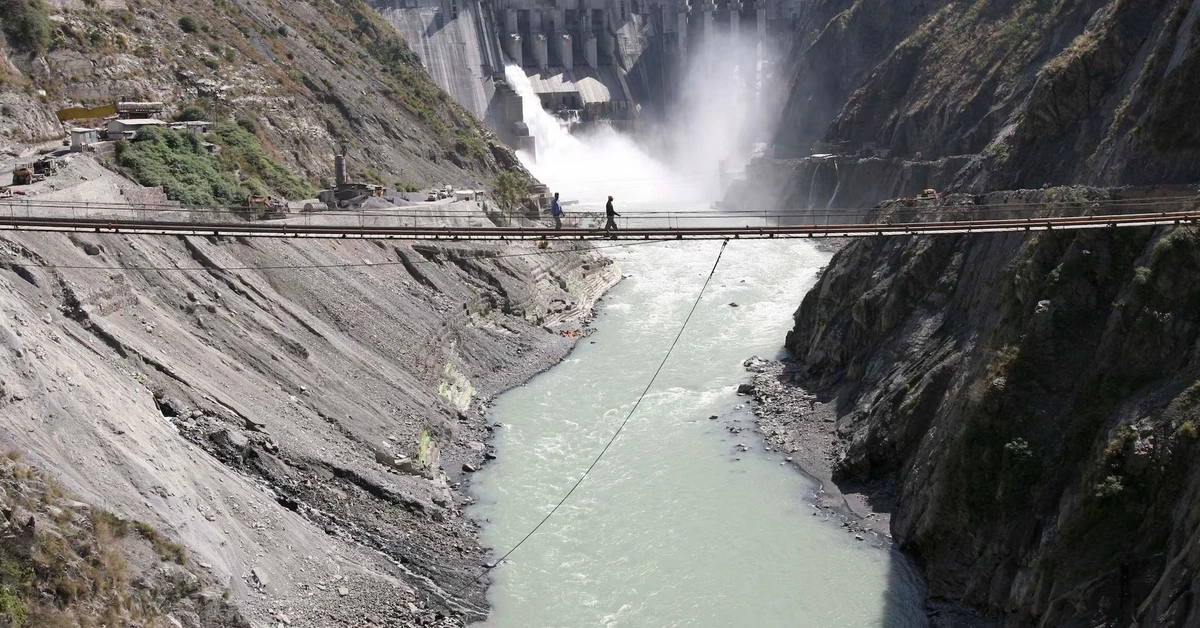
Officials also pointed to India’s expansion of upstream hydropower infrastructure, sediment management projects, and restrictions on hydrological cooperation as developments that could affect downstream water flows. Pakistan believes these projects may increase India’s control over river management in the future.
The Indus Basin remains the backbone of Pakistan’s agriculture, supporting more than 90 percent of the country’s food production while contributing significantly to the national economy. Government officials stress that water security is directly linked to food security, employment, industrial growth, and overall economic stability.
In response, Pakistan plans to accelerate the construction of major water storage projects, including the Diamer-Bhasha Dam, Mohmand Dam, and several proposed storage facilities along the Chenab River. Authorities are also focusing on improving canal infrastructure, expanding hydropower capacity, strengthening groundwater management, and promoting water-efficient agricultural practices.
Alongside infrastructure development, Pakistan is expected to pursue legal and diplomatic avenues under the Indus Waters Treaty framework while continuing efforts to strengthen domestic water management. Officials say these measures are intended to improve long-term water resilience and protect the country’s strategic water resources.