




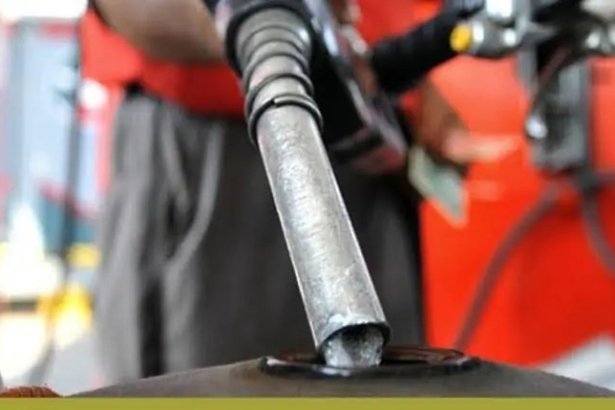
The Pakistan petrol price has been reduced after the federal government announced a fresh revision in petroleum prices, offering modest relief to consumers and businesses across the country.
According to a notification issued by the Petroleum Division, the price of petrol has been reduced by Rs4.08 per litre, bringing the new retail price to Rs331.95 per litre. The price of high-speed diesel (HSD) has also been lowered by Rs2.45 per litre, fixing the new rate at Rs389.93 per litre.
The revised fuel prices came into effect on August 4, 2026, and are expected to ease transportation and fuel costs for consumers.
The latest reduction follows a decline in international crude oil prices after geopolitical tensions in the Middle East showed signs of easing. Lower global oil prices enabled the government to pass on some of the benefit to domestic consumers.
Despite the price reduction, petroleum products remain subject to substantial government taxes and levies. Petrol currently carries around Rs110 per litre in taxes and duties, while high-speed diesel includes approximately Rs96 per litre in government charges.
Earlier this year, fuel prices reached record highs due to heightened geopolitical tensions involving the United States and Iran, which raised concerns about disruptions to global oil supplies. Those developments significantly increased petroleum prices in Pakistan before international markets began stabilising.
The government has also introduced a new fuel pricing mechanism under which petroleum prices are reviewed daily instead of weekly. Under the revised policy, the Oil and Gas Regulatory Authority (OGRA) determines prices based on changes in international oil markets and other economic factors.
However, the daily pricing system has received criticism from the All Pakistan Petroleum Dealers Association, which has expressed concerns over the policy and warned of possible protests.
Petrol remains the primary fuel for private vehicles, motorcycles, rickshaws and small transport operators, making any price adjustment particularly important for household budgets. High-speed diesel is widely used in heavy transport, agriculture, industry and power generation, meaning changes in diesel prices also influence freight charges, production costs and inflation.
While the latest reduction provides some financial relief, future fuel prices will continue to depend on international crude oil trends, exchange rate movements and global geopolitical developments.