




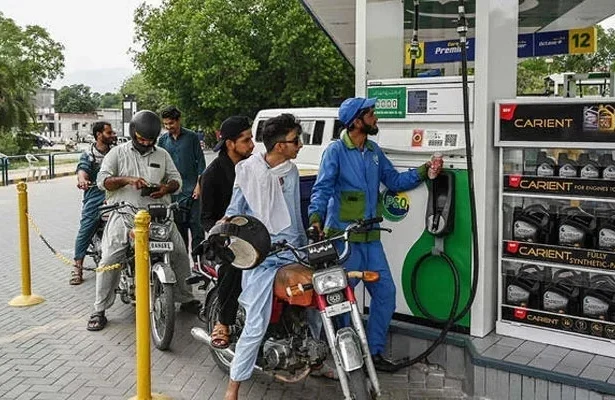
Pakistan’s federal government has reduced the price of petrol by Rs3.19 per litre while increasing the price of high-speed diesel by Rs2.25 per litre. The revised rates took effect on October 28, according to a notification issued by the Petroleum Division, introducing another adjustment in domestic fuel prices.
Under the new rates, petrol now costs Rs376.06 per litre, down from Rs379.25. High-speed diesel has increased from Rs395.82 to Rs398.07 per litre. The changes come amid fluctuations in international petroleum markets and continuing uncertainty linked to tensions in the Middle East.
The latest revision coincides with a shift in Pakistan’s fuel pricing system. The government has moved from the previous fortnightly review arrangement, following an earlier weekly mechanism, to daily price reviews intended to respond more quickly to changes in global oil markets.
The Oil and Gas Regulatory Authority (Ogra) has begun publishing daily petroleum prices on its website as part of efforts to improve transparency. Petroleum Minister Ali Pervaiz Malik said the revised rates are calculated using average international oil prices recorded over the preceding seven days.
Under the framework approved by the federal cabinet, Ogra is authorised to announce daily ex-depot prices for petrol and high-speed diesel without seeking separate prior approval from the prime minister or federal government for every revision. However, prices announced on Fridays will remain unchanged over the weekend. The framework also requires Ogra to publish daily Platts reference prices from July 1, 2026.
The new mechanism sets limits on changes to the petroleum levy. According to the document, the levy cannot exceed the ceiling approved by the federal cabinet, while any change to the levy rate requires approval from the Finance Division.
The government has also revised petroleum import arrangements for the 2026–27 fiscal year. Under the new rules, Pakistan State Oil (PSO) will handle high-speed diesel imports, while other oil marketing companies will be permitted to import petrol according to their respective market shares. The revised pricing and import framework is intended to make fuel price adjustments more responsive to international market movements.