




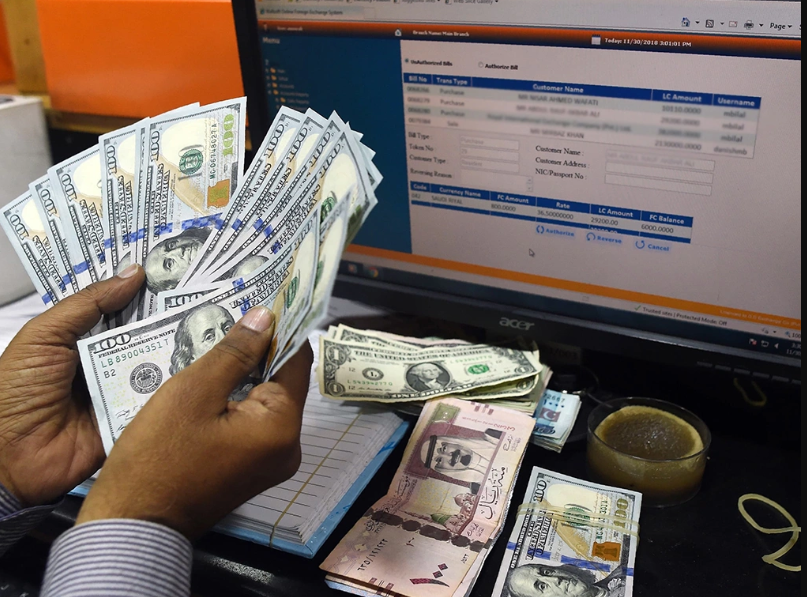
Pakistan’s remittances have approached the $34 billion mark during the first 10 months of the fiscal year 2026, highlighting the critical role overseas workers play in supporting the country’s economy. According to data from the State Bank of Pakistan, total remittance inflows reached $33.86 billion, reflecting an 8.5% year-on-year increase.
In April 2026 alone, remittances stood at $3.54 billion, showing an 11% rise compared to the same month last year. However, the figure marked a slight decline from March, indicating some fluctuation in monthly inflows.
A significant portion of these remittances continues to come from Gulf countries, particularly Saudi Arabia and United Arab Emirates, which together contributed more than half of the total inflows. Saudi Arabia alone accounted for $7.93 billion, while remittances from the UAE reached $7 billion during the period.
While this strong inflow supports Pakistan’s external account and helps manage the trade deficit, analysts warn that heavy dependence on a single region creates vulnerability. Ongoing regional tensions and changing labour policies in Gulf countries could directly impact remittance flows and economic stability.
Economic experts, including Waqas Ghani Kukaswadia, have highlighted that remittances are no longer just a supporting factor but have become essential for maintaining Pakistan’s external balance. Any disruption, particularly from Gulf economies, could push the current account back into deficit.
Pakistan has historically relied on overseas workers to sustain foreign exchange reserves and offset import pressures. However, this reliance also exposes the economy to risks such as labour nationalisation policies like Saudisation and Emiratisation, which aim to prioritise local employment in Gulf countries.
Despite these risks, there are signs of diversification. Remittances from Europe and countries like the United Kingdom have shown growth, indicating a gradual shift toward broader migration patterns, especially among skilled workers.
Additionally, initiatives such as the Roshan Digital Account continue to attract foreign inflows, with April 2026 recording the highest monthly gross inflows since its launch.
Overall, while remittances remain a vital pillar of Pakistan’s economy, experts stress the importance of reducing dependence on specific regions and strengthening exports to ensure long-term economic stability.