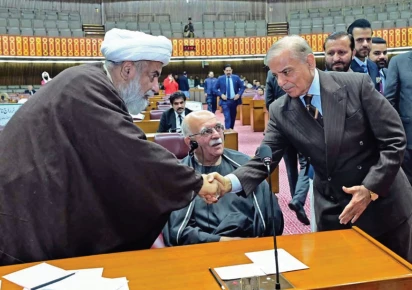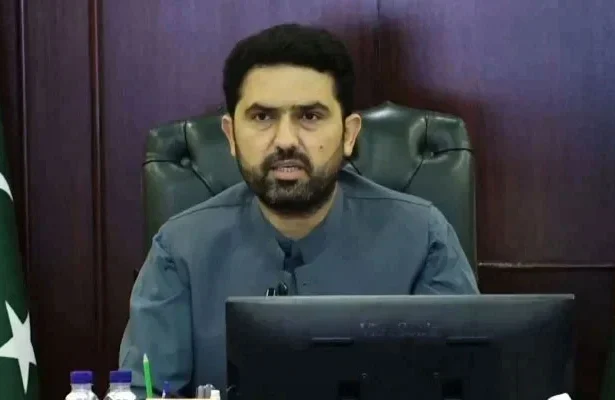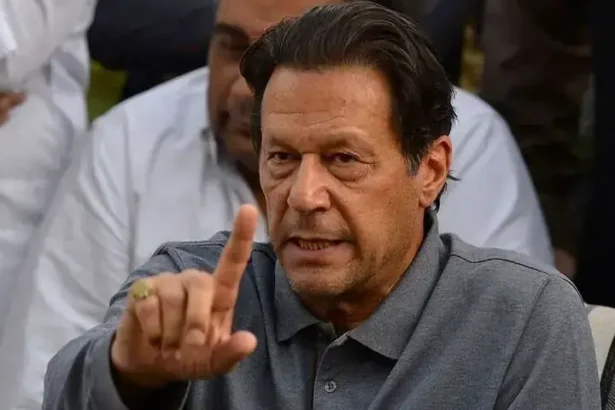





Pakistan’s Parliament has approved two presidential proclamations imposing a state of emergency and governor’s rule in Khyber Pakhtunkhwa (KP) for an initial period of two months, despite strong opposition from lawmakers. During Thursday’s joint sitting, opposition members protested against the federal government’s decision and tore up copies of the resolutions as the measures were endorsed.
The joint sitting ratified the emergency proclamation issued by President Asif Ali Zardari under Article 232 of the Constitution and approved governor’s rule under Article 234. The session was chaired by National Assembly Speaker Ayaz Sadiq and concluded with an indefinite adjournment. The approvals formalised Parliament’s endorsement of constitutional measures introduced on October 11, which suspended the PTI-led provincial administration.
Federal Minister for Parliamentary Affairs Tariq Fazal Chaudhry presented the presidential proclamations to lawmakers and moved a motion to suspend certain procedural rules to facilitate the proceedings. The motion passed by 214 votes to 56 despite objections from opposition members. Under the relevant constitutional provisions, the proclamations can remain in force for two months following parliamentary approval, while any extension requires another resolution of the joint sitting. The measures cannot remain in force for more than six months under the applicable provisions.
Law Minister Azam Nazeer Tarar defended the government’s decision, describing the emergency as a last resort following a review of security reports and discussions in the federal cabinet. He said the KP governor had sent a detailed letter to the president and prime minister warning about the deteriorating security situation. According to Tarar, the cabinet discussed the matter for approximately two and a half hours before recommending that the prime minister advise the president to invoke the relevant constitutional provisions.
Tarar maintained that the measures were constitutional and should not be equated with martial law. He also cited concerns about casualties in Tank and Bajaur and alleged weaknesses in the Counter Terrorism Department’s structure and resources. The minister said the security situation and the information reviewed by the federal government had contributed to the decision. These explanations reflect the government’s stated justification for imposing emergency measures and governor’s rule.
Opposition Leader Mahmood Khan Achakzai criticised the decision, questioning the government’s security policies and calling for greater parliamentary supremacy, constitutional protections and provincial autonomy. He argued that Pakistan’s security challenges also required an examination of internal weaknesses and past policy decisions. Achakzai offered unconditional negotiations within the Constitution and urged political parties to resolve disputes through dialogue rather than force.
PTI Chairman Barrister Gohar Ali Khan also rejected the federal government’s move and denied that his party supported terrorism. He said PTI condemned terrorism in all its forms and argued that allegations linking the party to militant activities were damaging to national unity. Gohar opposed the emergency proclamation, governor’s rule and the deployment of the army in KP, while calling on the government to withdraw its allegations.
The parliamentary approval has intensified the political dispute between the federal government and PTI over security, provincial authority and the constitutional basis for federal intervention. While the government maintains that the measures were necessary because of security concerns, opposition leaders have challenged the decision and called for constitutional safeguards and political dialogue. The debate is likely to continue around the implementation, duration and legal basis of the proclamations.
Parliament Approves Emergency and Governor’s Rule in KP Despite Opposition Protests