



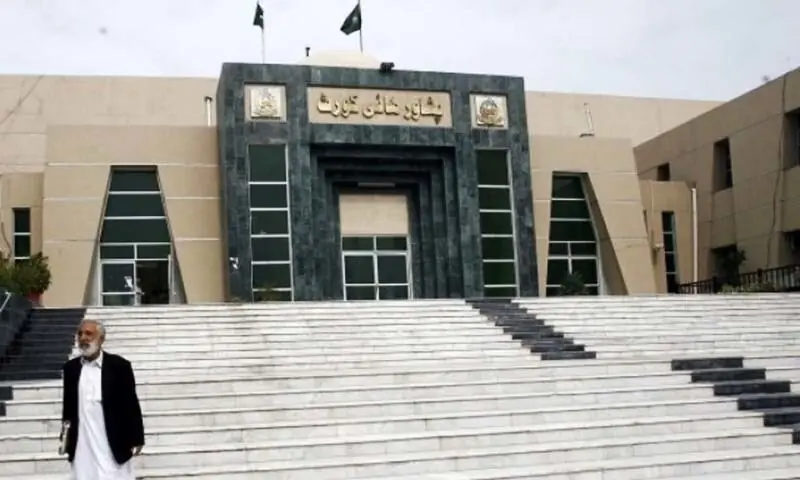
A petition has been filed in the Peshawar High Court seeking urgent measures to protect religious scholars following the killing of Maulana Mohammad Idrees.
The petition, submitted by Noor Zaib through his counsel, calls for the establishment of a dedicated Ulema Protection Cell at the Central Police Office. The proposed unit would be responsible for conducting threat assessments and ensuring security arrangements for scholars considered at risk.
The plea names several government officials as respondents, including the provincial police officer, the chief secretary, the additional inspector general of police for the Counter-Terrorism Department, and the home secretary.
According to the petition, the targeted killing of religious scholars over recent years represents a serious security concern. It argues that despite the registration of FIRs in such cases, the conviction rate remains extremely low, raising questions about the effectiveness of current law enforcement measures.
The petitioner has also requested that the government extend the Shuhada Package to the families of slain religious scholars and provide a government job to one of their legal heirs as financial support.
Citing constitutional provisions, the petition argues that such incidents violate fundamental rights, including freedom of religion under Article 20 and protection of religious institutions under Article 22. It also emphasizes Article 9, which guarantees the right to life, including the right to live peacefully without fear.
The petition further contends that the state has failed to provide adequate protection to vulnerable groups, including ulema, and must take immediate action to prevent further attacks.
The case has been filed in the wake of the assassination of Maulana Mohammad Idrees in Charsadda, which the petitioner described as a triggering incident highlighting the urgent need for institutional protection measures.
If approved, the proposed Ulema Protection Cell could become a significant step toward improving security for religious scholars and addressing ongoing concerns related to targeted violence in the region.