



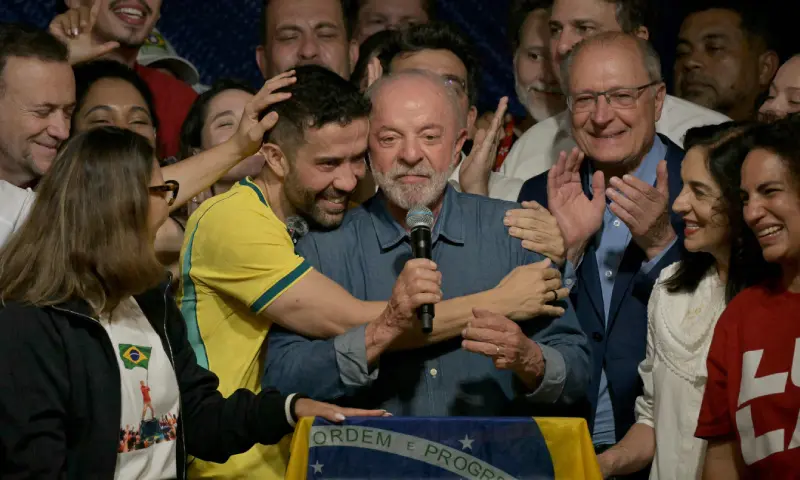
Brazilian President Luiz Inácio Lula da Silva has secured a fourth presidential term after defeating conservative rival Flavio Bolsonaro in a closely contested election, according to the supplied report. Official results cited in the report gave Lula 51.8 per cent of the vote, compared with 48.2 per cent for Bolsonaro, representing a margin of approximately 4.4 million votes.
The result marks another political comeback for Lula, who first became president in 2003 and was re-elected in 2006 before returning to office following the 2022 election. His latest victory comes amid political divisions in Brazil and a broader regional debate over the direction of Latin American politics.
Flavio Bolsonaro Challenges the Election Result
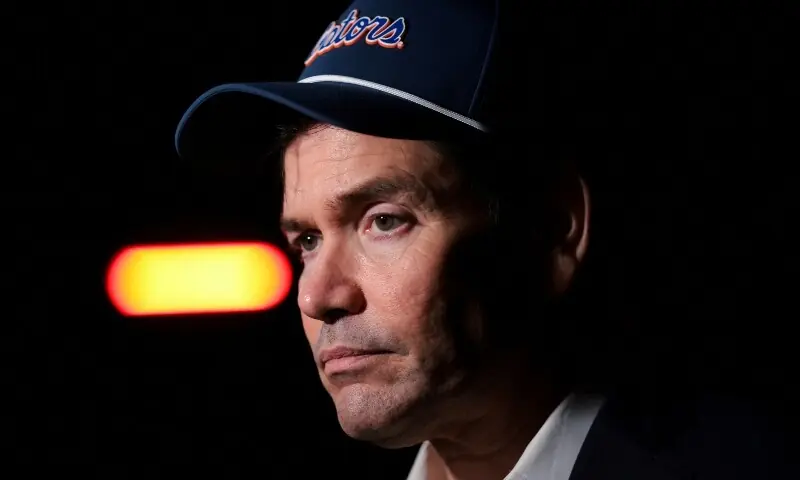
Flavio Bolsonaro, a senator and son of former Brazilian president Jair Bolsonaro, rejected the election outcome and said he would seek to annul the vote. He criticised a decision to extend voting hours by two hours following a Supreme Court ruling, describing the move as unacceptable.
The extension followed complaints from Lula that buses had been taken out of circulation in several cities, potentially preventing some citizens from reaching polling stations. Flavio Bolsonaro also requested additional voting time in certain regions because of heavy rainfall, while objecting to the final decision.
The election was marked by a closely fought campaign and competing claims over voting arrangements. According to the report, Lula urged supporters to participate in the democratic process, while his rival’s proposed legal challenge raised questions about the next steps following the result.
Lula’s Campaign Makes a Comeback
Following his first-round defeat, Lula’s campaign intensified its efforts through large rallies and a renewed social media strategy. The report said the abstention rate declined from 21 per cent in the first round to 19 per cent in the second.
Social media played a prominent role during the campaign, with Lula’s team accusing Meta, the parent company of WhatsApp, Facebook and Instagram, of favouring his opponent through alleged algorithmic manipulation. Meta denied the accusation but acknowledged that technical errors had mistakenly deactivated some of Lula’s campaign advertisements.
After the victory, Lula said social media companies would need regulation. The dispute highlighted the growing role of digital platforms in political campaigns and the debate over how online content is managed during elections.
Political Divisions Remain a Challenge
Despite Lula’s victory, the results indicate that a substantial share of Brazilian voters supported Flavio Bolsonaro. The campaign exposed continuing divisions over the economy, public safety, political leadership and the country’s future direction.
During his previous term, Lula’s administration oversaw declines in inflation and unemployment and made progress in reducing hunger, according to the report. However, concerns about the cost of living and crime remained important issues for voters.
Flavio Bolsonaro campaigned on a message of change and sought to attract conservative voters as well as people dissatisfied with the existing political situation. His support reflected the continued influence of the Bolsonaro political movement in Brazil.
Lula Faces Economic and Political Challenges
Lula’s new term will begin amid a Congress dominated by right-wing lawmakers, presenting potential challenges for his legislative agenda. Economic concerns, public safety and political polarisation are expected to remain central issues in Brazil’s national debate.
International relations also featured prominently in Lula’s campaign, particularly the issue of national sovereignty amid commercial and diplomatic pressure from the United States under President Donald Trump. Lula emphasised that Brazil would make its own decisions and protect its national interests.
The report also noted that Chilean President José Antonio Kast and Ecuadorian President Daniel Noboa congratulated Lula on his victory, despite their differing political positions. Their responses highlighted the importance of diplomatic engagement across ideological divides.
Lula’s fourth term begins with a narrow electoral margin and significant political challenges. While his supporters celebrated the result, Flavio Bolsonaro’s stated intention to challenge the outcome added another development to Brazil’s closely watched political transition.