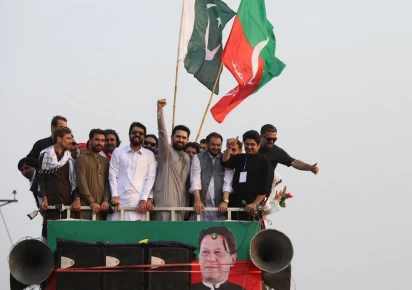




Pakistan Tehreek-e-Insaf (PTI) is facing renewed political uncertainty following the reported imposition of governor’s rule and emergency measures in Khyber Pakhtunkhwa (KP). According to the provided report, negotiations between PTI and the federal government failed to produce an agreement, leaving questions about the provincial administration’s future and possible concessions for the party’s jailed founder, Imran Khan.
Sources within PTI reportedly said negotiations had raised the possibility of concessions involving access to Imran Khan, meetings with him, the release of his sisters and medical treatment, including hospital admission on doctors’ recommendations. However, the discussions did not result in a final agreement, and these potential concessions remained unresolved.
The report also describes disagreements among political figures over the conditions and timing of negotiations. Mahmood Khan Achakzai reportedly insisted on meeting Imran Khan before agreeing to end the protest march. Some political observers viewed this condition as a factor that complicated efforts to reach a settlement, although the precise contribution of individual leaders to the breakdown remains a matter of interpretation.
KP Chief Minister Sohail Afridi’s statements and disagreements with the federal government over counterterrorism policy also featured in the political tensions. Federal officials and security authorities have raised concerns about the provincial administration’s cooperation in combating militancy, while Afridi has opposed measures he considers interference in provincial autonomy. These competing positions have contributed to the wider dispute between the two levels of government.
Khyber Pakhtunkhwa has remained a significant centre of PTI’s political and organisational activity since the party lost power at the federal level. The reported move towards federal control therefore raises questions about the party’s provincial administration and its ability to continue its political activities through government institutions.
The failed negotiations have renewed debate about PTI’s negotiating strategy and whether a different approach could have produced an agreement. However, it remains uncertain whether greater flexibility would have secured the reported concessions or prevented the constitutional measures described in the report. The situation highlights the continuing divisions between PTI and the federal government over provincial authority, security policy, political protests and Imran Khan’s legal and personal circumstances.
PTI Talks Collapse Amid KP Political Crisis and Uncertainty Over Relief for Imran Khan