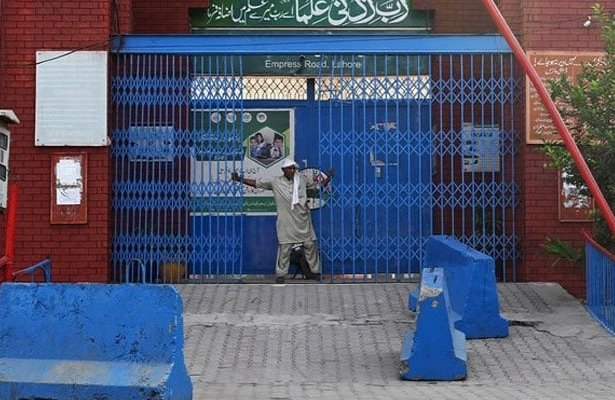





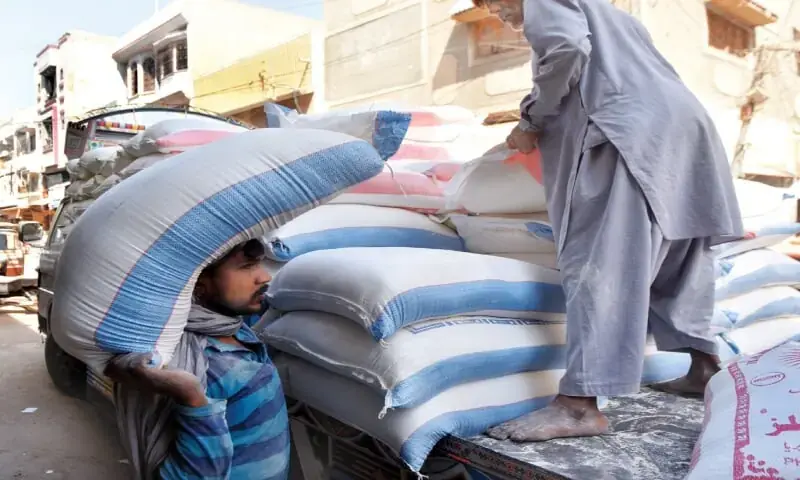
Flour millers in the Rawalpindi-Islamabad region have urged the Punjab government to revise its wheat and flour policy after claiming that nearly 40 percent of flour mills in the twin cities have shut down due to continuous financial losses. Industry representatives say unequal wheat distribution, rising transport costs and administratively fixed flour prices are pushing the sector towards collapse.
The appeal was made to Punjab Chief Minister Maryam Nawaz by former Pakistan Flour Mills Association Punjab vice chairman Chaudhry Afzal Mahmood Advocate. According to the statement circulating among flour millers, many businesses in the region are struggling to survive under the current policy framework.
Millers argue that operators in southern Punjab benefit from easy access to wheat-producing areas, while mills in Rawalpindi and Islamabad are forced to purchase wheat from private suppliers at higher prices and bear additional transportation costs. They claim that transport expenses alone add Rs200 to Rs250 per maund, increasing production costs significantly.
According to the flour millers, the official wheat rate stands at Rs4,100 per maund, but flour prices are allegedly being fixed below production costs through administrative controls. After adding electricity bills, labour salaries and operational expenses, millers say they are facing losses of up to Rs600 per maund.
Industry representatives also criticised the wheat quota allocation system, stating that mills in the twin cities receive permits for only 40 tonnes every four days, which they describe as insufficient for sustainable operations. The appeal warned that more flour mills may close if urgent reforms are not introduced.
The flour industry has also highlighted the broader economic impact of mill closures, including unemployment for thousands of workers and losses in tax revenue, social security contributions and workers’ welfare funds. Millers accused the food department of imposing excessive administrative controls and changing policies frequently without proper consultation.
The appeal called on the Punjab government to introduce a uniform wheat and flour policy across the province, ensure equal wheat distribution and adopt a market-based pricing system instead of administrative intervention. Industry representatives believe such measures could help stabilise flour prices and support both businesses and consumers ahead of future wheat supply challenges.