



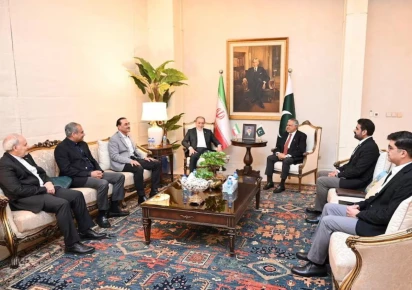
Diplomatic efforts surrounding the ongoing tensions between the United States and Iran have intensified as senior US envoys arrive in Islamabad for high-level discussions. According to officials, Donald Trump has dispatched his special envoy Steve Witkoff and senior advisor Jared Kushner to Pakistan in an attempt to push forward negotiations and de-escalate the situation.
However, Iran has clearly ruled out any direct engagement with US representatives during this visit. Iranian officials stated that they will not meet the American delegation and instead prefer to communicate their stance through Pakistan, which continues to play a crucial mediating role in the conflict.
Iran’s Foreign Minister Abbas Araghchi is already in Islamabad, where he has been holding discussions with Pakistani leadership to explore diplomatic solutions. Pakistan has positioned itself as a key intermediary, facilitating indirect communication between Washington and Tehran.
Meanwhile, the conflict has significantly impacted global stability, particularly due to tensions in the Strait of Hormuz, a vital route for global oil shipments. Reduced maritime activity in the region has raised concerns over rising oil prices and potential economic repercussions worldwide.
US officials have indicated that Iran may be preparing a proposal to address Washington’s demands, although no formal confirmation has been provided. At the same time, the US has extended a temporary ceasefire to allow space for diplomacy, signaling cautious optimism despite ongoing disagreements.
With Pakistan actively mediating and diplomatic channels remaining open, the coming days are expected to be critical in determining whether tensions ease or escalate further. The situation remains fluid, with global attention focused on Islamabad as a key hub for ongoing negotiations.