




Global tensions between Iran and United States have sharply escalated once again, raising fears of a renewed conflict that could have far-reaching consequences for global energy markets and geopolitical stability.
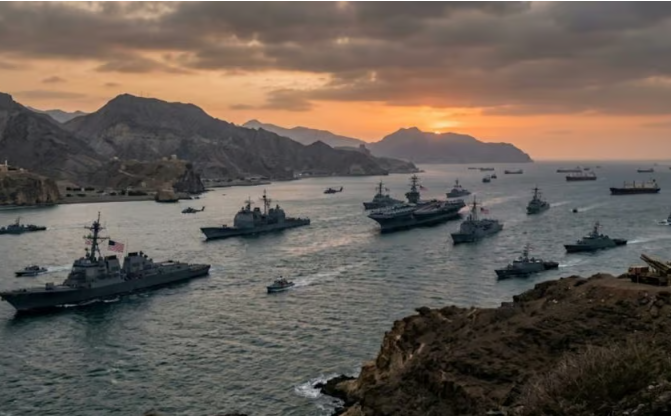
US President Donald Trump has warned that the current ceasefire between the two countries may collapse within days if a long-term agreement is not finalised. Speaking aboard Air Force One, he made it clear that the US naval blockade on Iranian ports will remain in place and hinted at the possibility of renewed military strikes if diplomacy fails.
In response, Iran has issued a strong warning that it may shut down the strategically vital Strait of Hormuz. This narrow waterway is one of the most important النفط transit routes in the world, responsible for carrying a significant portion of global oil supplies.
Iranian Parliament Speaker Mohammad Bagher Ghalibaf stated that if the US continues its blockade, Iran could take control of access to the strait, potentially restricting passage for international shipping. The country’s Defence Ministry further reinforced this stance, saying the waterway remains open only under fragile ceasefire conditions.
Defence spokesman Reza Talaei-Nik emphasised that the situation could change rapidly depending on regional developments, including tensions in Lebanon. He also warned that hostile or military vessels may be denied passage if the situation escalates further.
Meanwhile, Iran’s Foreign Minister Abbas Araghchi confirmed that commercial shipping is still being allowed through the strait for now. However, both sides continue to exchange warnings, keeping the situation highly volatile.
The Strait of Hormuz is a critical chokepoint for global النفط supply, and any disruption could lead to a sharp increase in oil prices, affecting economies worldwide. Analysts warn that even the threat of closure is enough to shake investor confidence and trigger market instability.
With a key deadline approaching, the coming days will be crucial in determining whether diplomacy prevails or the region moves closer to conflict. The outcome could significantly impact global trade, energy security and international relations.