



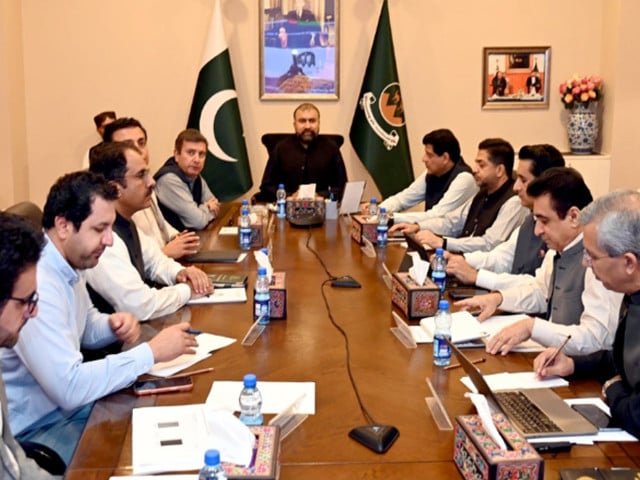
The Balochistan government has announced a comprehensive package of education reforms aimed at improving learning conditions, increasing school enrollment, and expanding access to quality education across the province. The reforms were discussed during a high-level meeting chaired by Mir Sarfraz Bugti, where education, health, and law and order were identified as top priorities for the upcoming provincial budget.
One of the most significant decisions is the introduction of co-education in all primary government schools. Under the proposed policy, boys and girls will be allowed to study together in the same classrooms. The government believes this step will promote social harmony, encourage gender equality, and make better use of available educational resources, particularly in remote and underserved areas.
The meeting also approved a proposal to eliminate the compulsory school uniform requirement across public schools. Officials stated that the measure aims to reduce the financial burden on families and make education more accessible to children from low-income households. The policy will be implemented after receiving formal approval from the provincial cabinet.
A major focus of the reform package is improving classroom facilities. The government has decided to end the long-standing practice commonly referred to as “Tat Culture,” where students in many rural schools sit on mats or sacks instead of proper furniture. Chief Minister Bugti expressed concern over the situation and directed the Education Department to provide desks and chairs to students in all functional public schools across the province.
To ensure implementation, the chief minister warned that strict disciplinary action would be taken against officials who fail to meet the assigned deadlines. He also announced plans to conduct surprise inspections, including visits to remote and mountainous areas, to personally assess school conditions.
The government is also addressing infrastructure challenges by introducing double shifts in 900 government schools. This initiative is expected to increase enrollment capacity and allow more students to attend school. Additionally, authorities plan to construct extra classrooms in 3,000 single-room schools over the next year to improve learning environments and reduce overcrowding.
Another important component of the reform package is financial relief for teachers working under the National Commission for Human Development (NCHD). These educators will receive substantial salary increases after years without pay revisions, a move aimed at improving teacher motivation and educational quality.
The provincial government also plans to introduce a uniform curriculum and standardized learning materials throughout public schools. Officials believe that consistent educational content will help improve academic standards and ensure equal learning opportunities for students across the province.
Speaking at the meeting, Chief Minister Bugti emphasized that educating children is a collective responsibility shared by parents, society, and the state. He reiterated the government’s commitment to building a progressive Balochistan where every child has access to quality education and opportunities for personal and professional growth.
The reform package represents one of the most significant educational initiatives undertaken in the province in recent years and reflects the government’s broader efforts to improve literacy rates, strengthen educational infrastructure, and create a more inclusive learning environment for future generations.