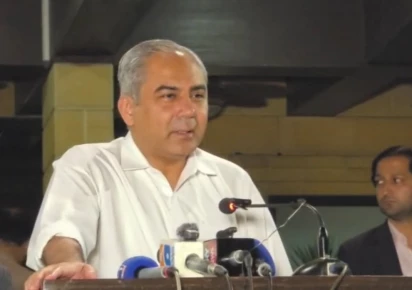






The Government of Pakistan has announced a major step towards transparency by deciding to publish asset declarations of civil servants in a redacted form. This development comes as part of broader governance reforms linked to commitments made under the International Monetary Fund (IMF) programme.
During a meeting of the Senate Standing Committee on Finance and Revenue, officials from the Establishment Division revealed that amendments have already been made to the Civil Servants Conduct Rules. The updated framework aims to ensure that asset declarations are accessible to the public while protecting sensitive personal information.
According to officials, the asset declaration system is also being digitised through the Federal Board of Revenue (FBR) platform. This move is expected to improve efficiency, monitoring, and transparency across government institutions. The redacted format will allow public oversight without compromising privacy, striking a balance between accountability and personal security.
Senator Saleem Mandviwalla, who chaired the committee meeting, welcomed the initiative and stressed the importance of strengthening transparency mechanisms. He also directed that the revised rules be shared with the committee for further evaluation and possible improvements.
In addition to discussing asset declarations, the committee reviewed serious irregularities within Pakistan Customs. One case involved the disappearance of a large quantity of silver that had been confiscated in Balochistan. Officials informed the committee that while 698 kilogrammes of silver were recorded, only 298kg was found during inspection, with the remaining material reportedly replaced by lead. Authorities suspect insider involvement, and the Federal Investigation Agency (FIA) has already initiated an inquiry.
Another case involved the disappearance of a significant portion of 2,000 bags of skimmed milk that were in the custody of customs authorities. The Senate panel ordered a full investigation into the matter and directed officials to identify those responsible and ensure accountability.
The publication of asset declarations is considered a key structural benchmark under Pakistan’s IMF-supported reform programme. The initiative is aimed at improving governance, strengthening anti-corruption measures, and enhancing public trust in government institutions.
Experts believe that while this move is a positive step toward transparency, its effectiveness will depend on proper implementation, monitoring, and strict action against violations. The digitisation of records and public accessibility could play a significant role in promoting accountability across the civil service.
Overall, the government’s decision reflects a growing focus on transparency and institutional reforms. However, the simultaneous emergence of corruption-related cases highlights the ongoing challenges that authorities must address to ensure a fair and accountable system.