




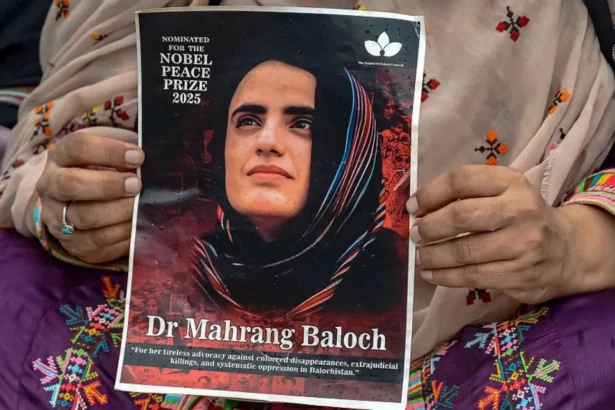
Prominent Baloch activist Dr. Mahrang Baloch has been sentenced to life imprisonment by an anti-terrorism court in connection with a 2024 protest held in Gwadar, marking a significant development in one of Pakistan’s most closely followed legal cases.
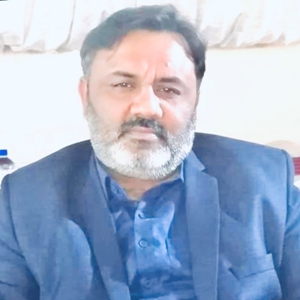
The court also handed a life sentence to fellow activist Sibghatullah Shah after convicting both individuals on charges including terrorism, sedition, and murder related to the death of a paramilitary soldier during the protest. Both defendants have denied all allegations, while their legal representatives have announced plans to challenge the verdict before higher courts.
Dr. Mahrang Baloch became widely known as one of the leading voices advocating for families of missing persons in Balochistan. Her activism began after the disappearance of her father, political activist Abdul Ghaffar Langove, in 2009. His body was reportedly recovered several years later, an event that shaped her public advocacy and human rights work.
Over the years, Mahrang emerged as a prominent figure through the Baloch Yakjehti Committee (BYC), organizing protests, awareness campaigns, and peaceful marches calling for information about missing persons and greater legal protections for affected families.
For many years, local activists and international human rights organizations have raised concerns regarding allegations of enforced disappearances in Balochistan. Pakistani authorities have consistently rejected claims of systematic involvement, stating that many reported missing individuals either joined militant organizations, relocated abroad, or later returned home following investigations.
Balochistan, Pakistan’s largest province by land area, remains strategically important due to its abundant natural resources, including natural gas, coal, copper, and gold. However, the province continues to face economic challenges, security concerns, and periodic militant violence.
Supporters of Dr. Mahrang Baloch describe her as a peaceful human rights campaigner who consistently highlighted the suffering of families searching for missing relatives. They argue that her work focused on human rights, social justice, and legal accountability.
Critics and some government officials, however, have alleged that certain activities associated with her movement promoted narratives favorable to separatist groups. Dr. Mahrang has repeatedly denied these allegations and maintained that her activism remained peaceful and focused solely on human rights issues.
Following the court’s verdict, Mahrang Baloch’s legal team announced that they would challenge the conviction in higher courts. Her family has also questioned the transparency of the trial, alleging that the defense was denied full access to evidence and witness statements throughout the proceedings.
The case has attracted national and international attention due to its legal, political, and human rights implications, with further developments expected as the appeals process moves forward.