



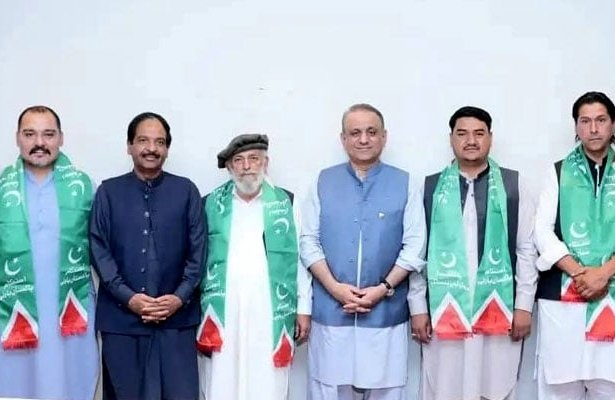
In a significant political development following the Gilgit-Baltistan elections, all four victorious independent candidates have officially joined the Istehkam-e-Pakistan Party (IPP), strengthening the party’s position in the regional assembly.
The announcement came after the newly elected lawmakers held a meeting with Federal Minister Aleem Khan, during which they formally declared their affiliation with the Istehkam-e-Pakistan Party. The independent candidates who joined the party include Anwar Ali from GBA-23 Ghanche, Asad Shafiq from GBA-24 Ghanche-3, Muhammad Dilpazeer from GBA-15 Diamer, and Aman Ali from GBA-21 Ghizer-3.
These representatives had contested and secured victory as independent candidates in the Gilgit-Baltistan elections. Their collective decision to align with the IPP marks an important shift in the region’s political landscape, where independent lawmakers often play a decisive role in government formation and coalition-building.
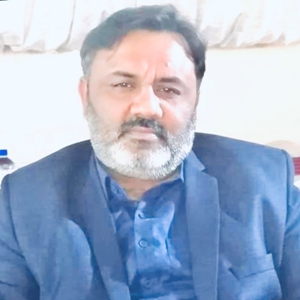
Speaking on the occasion, Muhammad Dilpazeer said the four elected members had formed a group and unanimously decided to join the Istehkam-e-Pakistan Party. He emphasized that the move reflected a shared political vision and future strategy rather than individual interests.
Dilpazeer further revealed that discussions are ongoing with other independent lawmakers and members of the Majlis Wahdat-e-Muslimeen (MWM) to expand the party’s influence within the Gilgit-Baltistan Assembly. According to him, the IPP is actively working to attract more representatives and strengthen its parliamentary presence.
He expressed confidence that with additional political support and future alliances, the Istehkam-e-Pakistan Party could emerge as the second-largest political force in the Gilgit-Baltistan Legislative Assembly.
Political analysts view this development as a crucial realignment that could reshape regional politics and influence future legislative decisions. With independent candidates traditionally holding the balance of power in Gilgit-Baltistan, their move toward a single political platform is expected to have a lasting impact on governance and coalition dynamics in the region.