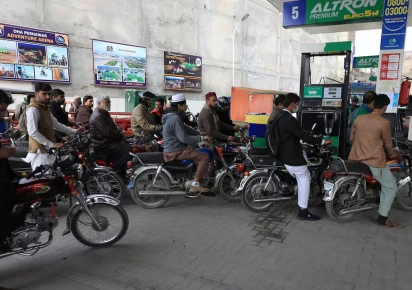




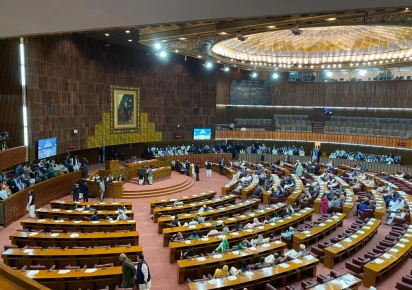
A heated debate erupted in the National Assembly of Pakistan over the recent increase in fuel prices, highlighting growing concerns about inflation and economic pressure on citizens.
Opposition members strongly criticised the government, arguing that rising petrol and diesel prices have significantly increased the cost of living. They pointed out that inflation is already high, and additional fuel costs are impacting transportation fares, daily expenses, and the prices of essential goods.
Lawmakers from the opposition stressed that ordinary citizens are bearing the brunt of economic decisions and urged the government to take immediate relief measures. Suggestions included reducing fuel taxes and cutting unnecessary government expenditures to ease the burden on the public.
In response, government representatives defended the price hike, stating that fuel prices are directly linked to international oil markets. They explained that global oil price increases have forced Pakistan, as an importing country, to adjust its local fuel prices accordingly.
Officials also claimed that the government had previously tried to stabilise prices by absorbing financial losses, but maintaining such subsidies was no longer sustainable. They described the recent increase as a necessary step given the economic situation.
The debate reflects the ongoing economic challenges faced by Pakistan, where balancing fiscal stability and public relief remains a key concern for policymakers.