



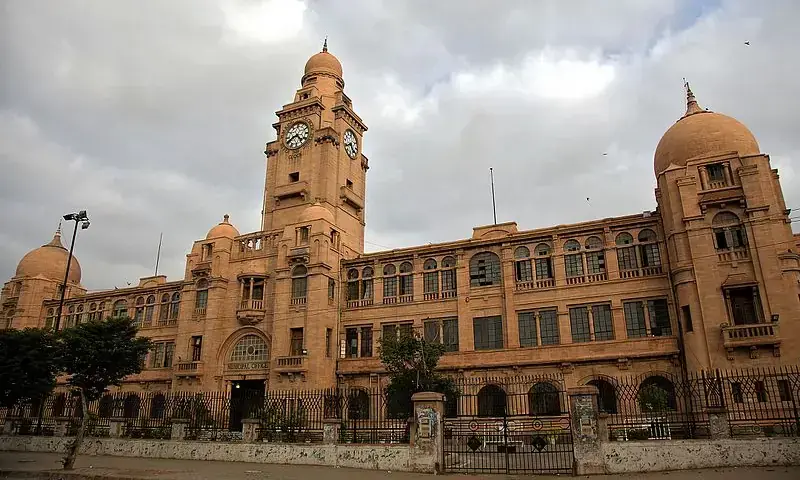
Jamaat-i-Islami (JI) has presented its shadow budget for the Karachi Metropolitan Corporation (KMC) for the fiscal year 2026-27, demanding a significant increase in the city’s proposed budget from Rs60 billion to at least Rs300 billion. The party argues that the current allocation is insufficient to meet the growing needs of Karachi, Pakistan’s largest city, which has an estimated population of around 35 million.
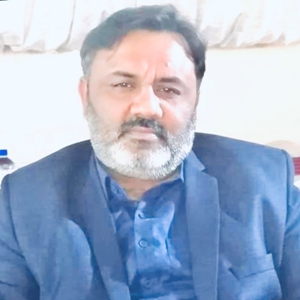
Speaking at a press conference, Opposition Leader in the City Council Saifuddin Advocate said Karachi cannot effectively provide essential civic services with the proposed budget. He stressed that the city government should receive 100 percent of motor vehicle tax collections along with a fair share of Infrastructure Cess, Octroi and Zila Tax, and the Provincial Finance Commission Award. According to JI, these revenue sources, combined with KMC’s internally generated income, could increase the city’s annual budget to nearly Rs300 billion.
The opposition also proposed greater financial empowerment for local governments by transferring more development funds directly to towns and union committees. Saifuddin Advocate suggested that every union committee should receive at least Rs100 million in the upcoming budget to improve local infrastructure and municipal services.
Jamaat-i-Islami criticized the Pakistan Peoples Party-led Sindh government for centralizing key civic institutions that, according to the party, should remain under the authority of the elected city government. The party pointed to organizations such as the Karachi Water and Sewerage Corporation (KWSC) and the Sindh Solid Waste Management Board (SSWMB), arguing that these institutions operate independently while utilizing funds that could otherwise strengthen local governments.
According to JI, the Karachi Metropolitan Corporation remains heavily dependent on financial transfers from the provincial government despite claims of financial independence. The party stated that KMC generates only around Rs6 billion from its own resources, representing approximately 20 percent of its total budget.
The opposition further claimed that despite spending nearly Rs201 billion on civic development since 2021, Karachi continues to face major challenges including broken roads, poor sanitation, water shortages, overflowing waste, and deteriorating municipal infrastructure. JI alleged that corruption, weak governance, and excessive provincial control have prevented meaningful improvements in public services.
Saifuddin Advocate also argued that several civic responsibilities, including water supply, sanitation, and solid waste management, should be returned to the Karachi Metropolitan Corporation in accordance with local government laws and relevant court decisions. He maintained that elected local representatives are better positioned to address the daily problems faced by Karachi residents.
The shadow budget reflects Jamaat-i-Islami’s broader demand for stronger local government institutions, greater fiscal autonomy, and increased administrative authority for Karachi’s elected representatives. The party says these reforms are essential to improving infrastructure, municipal services, and overall quality of life for millions of citizens living in Pakistan’s economic hub.