





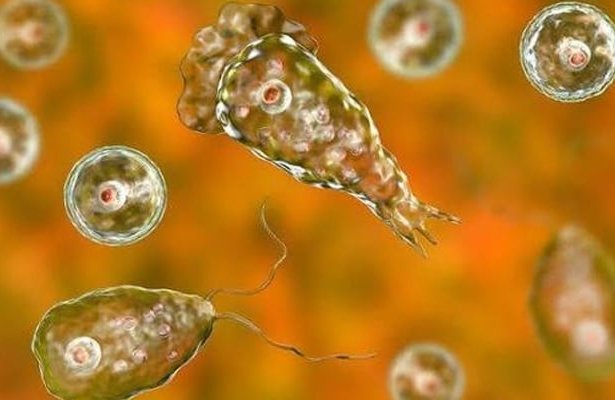
A 44-year-old man in Karachi has died after contracting a rare but deadly infection caused by Naegleria fowleri, commonly known as the “brain-eating amoeba.” Hospital officials confirmed that the infection severely affected the patient’s brain, leading to a critical medical condition despite intensive treatment.
The patient was admitted to the Intensive Care Unit (ICU) after laboratory tests confirmed the presence of Naegleria fowleri. Doctors provided emergency medical care and placed him on a ventilator as the infection rapidly progressed. However, his condition continued to worsen, resulting in his death.
Naegleria fowleri is a microscopic organism that is usually found in warm freshwater environments. The infection occurs when contaminated water enters the body through the nose, allowing the amoeba to travel to the brain and cause a severe condition known as primary amoebic meningoencephalitis (PAM).
Health authorities have warned that although Naegleria infections are extremely uncommon, they are highly dangerous and can progress quickly. Symptoms may include severe headache, fever, nausea, vomiting, stiff neck, confusion, and other neurological complications.
Medical experts have advised citizens to take preventive measures, especially during hot weather when the risk of infection increases. Recommendations include using properly chlorinated water, avoiding water entering the nose while swimming, and ensuring that water used for nasal cleaning is boiled or sterile.
Authorities continue to stress the importance of public awareness, clean water practices, and early medical attention to reduce the risk of further Naegleria-related infections in Karachi and other parts of Pakistan.